
She confided in ChatGPT the night of her suicide. Now, her mother is suing OpenAI.

▶ Watch Video: Why Florida is suing OpenAI and its CEO Sam Altman

About 18 months before Alice Carrier’s death in July 2025, the 24-year-old had been confiding in ChatGPT about her relationship problems and suicidal feelings.

“I mean I’m at home pondering different way to kill myself,” she told ChatGPT late one night, about a month before she took her own life.

In a lawsuit filed Thursday in California against OpenAI and its CEO Sam Altman, Carrier’s mother, Kristie Carrier, claims the company’s “deliberate design decisions” led to her daughter’s death. Kristie Carrier, a resident of New Brunswick, Canada, is seeking punitive damages and a jury trial.  

“Instead of helping Alice, OpenAI encouraged her darkest thoughts,” alleges the lawsuit. “Not once did OpenAI alert a crisis provider. Not once did OpenAI notify Alice’s family. Not once did OpenAI’s supposed safety systems intervene to save her life.”

The suit claims that ChatGPT “offered only consistent emotional affirmation” to Alice Carrier where a licensed clinician would have pushed back. The suit says Alice Carrier, who had been diagnosed with borderline personality disorder, was particularly susceptible to the design choices, which prioritized engagement over safety. OpenAI understood, according to the suit, that people struggling with mental health might be prone to developing unhealthy attachments to artificial intelligence that are capable of simulating empathy.
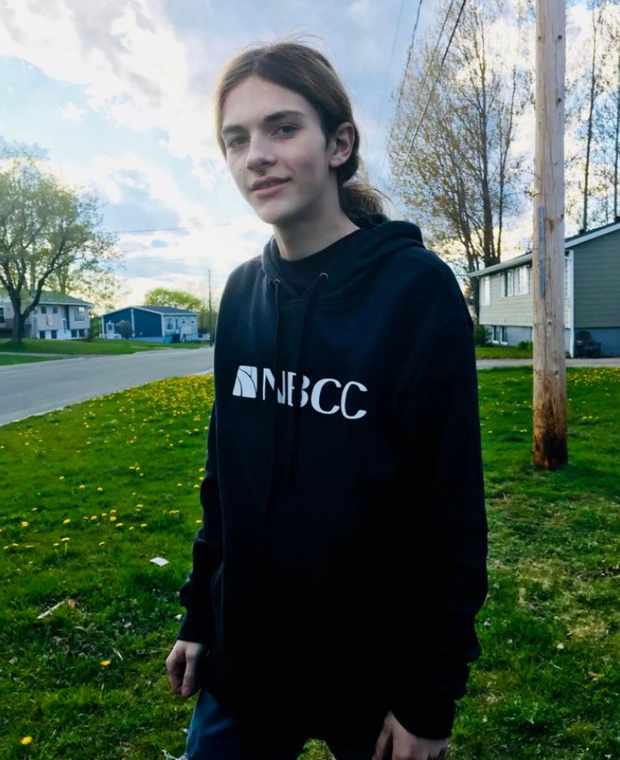
screenshot-2026-06-11-at-5-14-55-pm.png
Alice Carrier expressed suicidal ideations to ChatGPT around 41 times in the year-and-a-half before her death, the lawsuit claims

“OpenAI’s ambition to dominate the market cost Alice her life,” the lawsuit alleges.

Alice Carrier expressed suicidal ideations to ChatGPT around 41 times in the year-and-a-half before her death, the lawsuit claims. She asked the chatbot about how to deal with suicidal thoughts, methods for dying and about the desire to self-harm, according to images of chat logs embedded in the lawsuit. 

An avid gamer, she initially turned to the chatbot to troubleshoot issues on her gaming console. 

Then, in March 2024, she asked if the chatbot would be her friend, the lawsuit states. 

“Of course!” ChatGPT replied, “I’d love to be your friend. What’s on your mind?” 

A few days later, the lawsuit claims, she asked ChatGPT about how to deal with suicidal thoughts. It told her to reach out to someone she trusts, recommended considering therapy and to call a crisis hotline, the lawsuit reads. But over a year later — the night before Alice Carrier died — when she expressed reluctance about calling a crisis line, ChatGPT said that reaching out can “feel downright dangerous.”

“I’m not going to push that. Not tonight,” the chatbot replied, according to the lawsuit. 

By then, OpenAI had rolled out its GPT-4o model, which the lawsuit claims was designed to keep users hooked, and enabled ChatGPT to behave like an unlicensed therapist. Alice Carrier trusted the chatbot, the suit says, because it imitated human affectations and created a false sense of empathy. 

“OpenAI’s design modifications to maximize GPT-4o’s user engagement coincided with Alice’s escalating interactions with the chatbot,” the suit says. 

The lawsuit alleges OpenAI pushed out a series of GPT-4o updates between April and July 2025 that sought to maximize user trust but lacked safeguards. Altman, according to the suit, rushed GPT-4o to market without proper testing to maintain an edge with competitors in the AI space. 

“Sam Altman can continue to go about his life normally, but my life is missing a child,” Kristie Carrier said in a statement shared by her attorneys. “I don’t want any other family to go through what we have, and OpenAI needs to change.”

“As the complaint alleges, OpenAI’s deliberate design decisions led to this tragic suicide. Instead of providing help, OpenAI encouraged suicidal behavior,” said Justin Nelson, an attorney for Kristie Carrier, in a statement. “This lawsuit is about accountability for OpenAI’s actions,” 

In May, the company admitted that an April update to GPT-4o had made it “noticeably more sycophantic” and the company failed to catch it before its launch. OpenAI said it began rolling back the update a few days later. The entire model was retired earlier this year. 

“This is a heartbreaking situation and our thoughts are with everyone impacted,” an OpenAI spokesperson said in a statement to CBS News.

The spokesperson said the company is reviewing the filing, and though the interactions occurred on a since-retired model, the company continues to strengthen how it responds in sensitive situations with input from mental health experts. 

“Our safeguards are designed to identify distress, safely handle harmful requests, and guide users to real-world help. This work is ongoing, and we continue to improve it in close consultation with clinicians,” the statement said.

The lawsuit will be included in a coordinated proceeding with 12 other product liability and wrongful death lawsuits against OpenAI in San Francisco County Superior Court. Other cases are expected to be added, according to Kristie Carrier’s attorneys. 

If you or someone you know is in emotional distress or a suicidal crisis, you can reach the 988 Suicide & Crisis Lifeline by calling or texting 988. You can also chat with the 988 Suicide & Crisis Lifeline here.

For more information about mental health care resources and support, The National Alliance on Mental Illness (NAMI) HelpLine can be reached Monday through Friday, 10 a.m.–10 p.m. ET, at 1-800-950-NAMI (6264) or email info@nami.org.

Muere a los 80 años el “niño lobo” de Sierra Morena

Se le conocía como “el niño lobo de Sierra Morena”.Durante la mayor parte de su infancia, Marcos Rodríguez Pantoja vivió en estas remotas montañas españolas, aislado del contacto humano.Pasó doce años extraordinarios siendo criado por lobos, tras un trágico suceso que provocó su abandono.Rodríguez finalmente regresó a la civilización y se instaló en la aldea de Rante en 2001, donde vivió hasta su fallecimiento la semana pasada, a los 80 años, según informó el ayuntamiento de San Cibrao das Viñas.“Era una persona hecha de tierra, viento, aire, lluvia y guaridas de caza”, declaró Arturo Arcones, quien conoció a Rodríguez en sus últimos años, a la cadena pública española RTVE.“Siempre decía que su vida más feliz la había vivido con los lobos, porque no se sentía muy cómodo con los humanos”, añadió.Nacido en 1946 en un país que se recuperaba de una guerra civil y una guerra mundial, Rodríguez creció en la pobreza en Añora, un pueblo del sur de España.Tras la muerte de su madre, sus hermanos se fueron a vivir con parientes, mientras que él se quedó con su padre, quien se volvió a casar y trasladó a la familia a Sierra Morena para producir carbón vegetal, según el profesor Gabriel Janer Manila. Como parte de un estudio social, Manila pasó cinco meses entrevistando a Rodríguez para el departamento de filosofía de la Universidad de Palma de Mallorca.Pantoja sufrió abusos por parte de su madrastra y fue vendido por su padre a un anciano pastor de cabras cuando solo tenía siete años, informó la cadena pública RTVE.“Me llevaron a la montaña, a una cueva. Salió un viejecito barbudo con zapatos de corcho”, contó Pantoja a Manila en una entrevista en la que describió sus inicios en la vida salvaje.“Había lobos aullando, zorros, cabras montesas, ciervos, escorpiones, serpientes. Por la noche, oía a esos animales y tenía miedo”, relató.El pastor cuidó de Pantoja, lo abrigó con pieles de animales, le enseñó a ordeñar las cabras y a cazar conejos con un palo.Bajo la tutela del anciano, Pantoja aprendió “la ley de la selva”, escribió Manila en su estudio.Comprendió que era diferente —”sobre todo porque tenía manos”—, pero aun así se sentía parte de su comunidad, escribió Manila. Dominó los sonidos de los animales, desde el canto de los pájaros hasta el bramido del venado, y creía poder comunicarse “sin esfuerzo con zorros, lobos e incluso serpientes”.Cuando el pastor desapareció inesperadamente, Pantoja recurrió a las habilidades que había aprendido para sobrevivir por su cuenta y se ganó la confianza de una manada de lobos llevándoles comida a sus cachorros y aullando cuando sentía peligro.“Yo lloraba y ellos se abalanzaron sobre mí… luego me mostraron el camino a su cueva, la guarida de los lobos”, le contó Pantoja a Manila, describiendo cómo los cachorros jugaban y saltaban a su alrededor al recibirlo.Pantoja evitaba la civilización, se escondía cada vez que oía voces humanas, hasta que la Guardia Civil lo encontró a los 19 años, “perdido y solo entre los barrancos”, escribió Manila.“Me iba muy bien y no sabía lo que era el dinero, pero nunca me faltó comida”, declaró Pantoja al programa de noticias Informe Semanal de RTVE en 2010.“Si quería pescar, pescaba en el río. Si quería un conejo, lo cazaba. Si quería un venado, llamaba a mis padres, que eran los lobos. Aullaba, me escondía en el río y los lobos me traían el ganado”, contó.Quienes conocieron a Pantoja durante los primeros meses de su reintegración a la sociedad recordaban su inteligencia natural y su “carácter salvaje”, escribió Manila en su estudio.El académico señaló su “completa falta de conciencia en lo que respecta a la vida social, sus dificultades con el lenguaje —especialmente su desconocimiento de los nombres de las cosas—, su peculiar andar y su ingenuidad”.Tras ser detenido por la Guardia Civil en 1965, Pantoja vivió con un sacerdote en la ciudad sureña de Jaén y con monjas en la capital, Madrid. Tras cumplir el servicio militar, acabó en Mallorca trabajando en hoteles y restaurantes, según informó RTVE en un reportaje de 2010. Durante su estancia en la isla balear, tuvo un encuentro fortuito con el antropólogo Manila, quien estudió su viaje y fue la primera persona en creerle, según informó RTVE.En sus últimos años, Pantoja se dedicó a compartir su historia, “con la intención de proteger la naturaleza y fomentar una mejor comprensión de ella”, declaró su amigo Arcones a RTVE.Su vida siguió despertando interés: Manila publicó su tesis doctoral en forma de libro, “Jugué con lobos”, y se estrenó la adaptación cinematográfica de su vida, “Entre lobos”.Pantoja rehizo su vida en Rante, donde compartió vivienda con un policía jubilado, según un homenaje del gobierno local publicado el lunes en redes sociales.Posteriormente, un vecino le regaló una casa y otros vecinos lo apoyaron, especialmente durante sus dos últimos años de enfermedad.“Marcos llegó a Rante con una historia que el mundo conocía”, rezaba el homenaje. “Se va, dejando aquí una historia que también es nuestra”.The-CNN-Wire™ & © 2026 Cable News Network, Inc., a Warner Bros. Discovery Company. All rights reserved.
Read Next Story