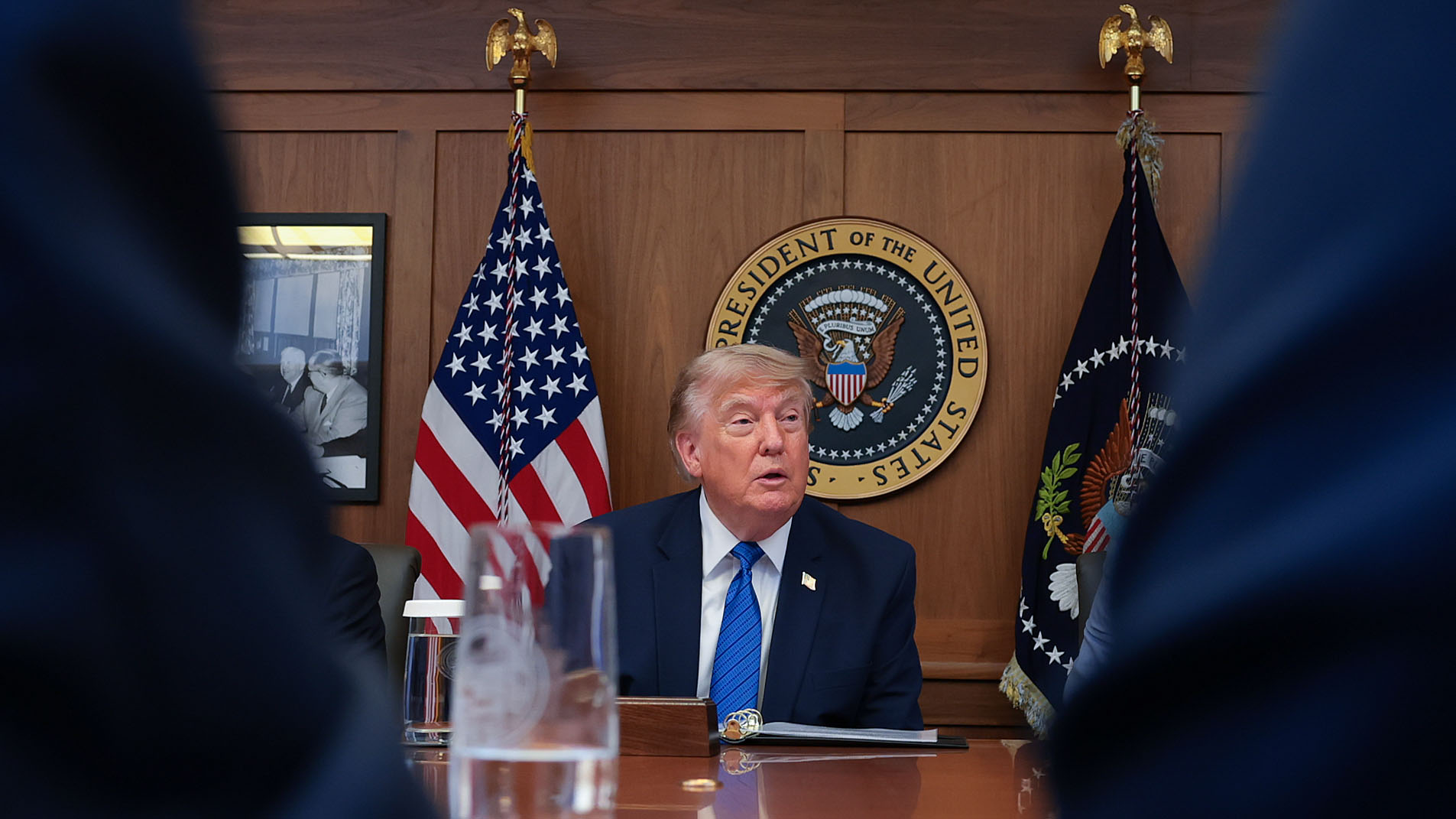
Irán, ya debilitado por años de sanciones y una brutal ofensiva militar de Estados Unidos e Israel, se enfrenta ahora a otra prueba, ya que el presidente Donald Trump intensifica aún más la presión económica sobre la República Islámica.Estados Unidos está preparando medidas, que se darán a conocer en una conferencia de prensa más tarde el lunes, que el secretario del Tesoro, Scott Bessent, promete que serán “las sanciones más duras de la historia”, en medio del estancamiento de las conversaciones para poner fin a la guerra de seis meses y mientras Irán continúa causando daños económicos a nivel mundial al interrumpir el transporte marítimo a través del crucial estrecho de Ormuz.Según admiten sus propios altos funcionarios, los iraníes están sufriendo.“Lamentamos que existan estos problemas, ya que nos encontramos inmersos en una guerra económica, militar y de seguridad a gran escala”, declaró el presidente iraní, Masoud Pezeshkian, según informaron los medios estatales.“Como gobierno, buscamos con todas nuestras fuerzas encauzar la inflación, los problemas públicos, el sustento de la gente, los empleos, el futuro y la vida de las personas hacia la dignidad y el orgullo”, añadió.Videos difundidos en redes sociales la semana pasada mostraron mercados vacíos en Teherán y Karaj, con vendedores quejándose de que sus productos frescos no se vendían. Un residente de Teherán y otro comerciante declararon a CNN que la presión económica se ha vuelto insostenible.Nima, una residente de Teherán de 36 años, declaró a CNN que no solo todo es caro, sino que algunas de las cosas importantes que necesitamos, como ciertos medicamentos, ni siquiera podemos conseguirlas.El dueño de una pequeña tienda, que prefirió permanecer en el anonimato para hablar libremente sobre la situación económica, dijo que apenas le alcanza para llegar a fin de mes.“Nos estamos quedando sin algunos productos extranjeros, como champú, acondicionador y pasta de dientes. Tenemos existencias limitadas y ahora son demasiado caros para la mayoría de la gente, pero incluso a los productos fabricados en Irán he tenido que subirles el precio”, dijo.Pero incluso con la nueva presión económica, los expertos afirman que, a menos que la administración Trump descubra nuevos métodos para estrangular los flujos de ingresos de Teherán, Washington se enfrentará una vez más a un régimen con larga experiencia en la evasión de sanciones, ingenioso para encontrar nuevas formas de generar ingresos y que apuesta por su capacidad para sobrevivir a la presión económica de Estados Unidos.Tras décadas de ostracismo internacional, la República Islámica se vio obligada a desarrollar métodos sofisticados para mitigar el impacto de las sanciones occidentales, creando una red descentralizada de empresas fachada, intermediarios, casas de cambio y una flota clandestina de buques cisterna que utiliza transferencias de barco a barco, datos de seguimiento alterados y documentación falsa para transportar petróleo.En 2024, se registraron 9.000 millones de dólares en actividades bancarias en la sombra iraníes a través de cuentas corresponsales estadounidenses, según informó la Red de Control de Delitos Financieros de Estados Unidos (FINDEN), basándose en informes de instituciones financieras estadounidenses. Según el Departamento del Tesoro, empresas fantasma, incluidas las de los sectores petrolero, naviero y de inversión, facilitan transacciones por valor de miles de millones de dólares a través de redes que abarcan los Emiratos Árabes Unidos, Hong Kong y Singapur.Los pagos suelen realizarse en yuanes chinos, mediante acuerdos de trueque o fuera del sistema bancario basado en el dólar, según declaró a CNN Umud Shokri, estratega energético e investigador visitante sénior de la Universidad George Mason.Las últimas medidas “aplastarán” la economía de “este régimen asesino” y limitarán la capacidad de Irán para “proyectar poder a través de sus aliados” y su capacidad para pagar al ejército iraní, declaró Bessent a CNBC en una entrevista reciente.Sin embargo, los expertos afirman que los iraníes de a pie serán, muy probablemente, quienes sufrirán las peores consecuencias de las nuevas sanciones.“Los iraníes de a pie serán quienes sufran las consecuencias más inmediatas, y nuevas sanciones debilitarían el rial, aumentarían la inflación, encarecerían los bienes importados y los insumos industriales, y reducirían el poder adquisitivo de los hogares”, dijo Shokri.Aunque el gasto público y militar, así como los aliados regionales, se vean perjudicados por las nuevas y estrictas sanciones económicas, serán los asalariados, los pensionistas, las pequeñas empresas y las familias de bajos ingresos los que se verán especialmente vulnerables, añadió.Según Shokri, las instituciones e intermediarios con “conexiones políticas” estarían parcialmente “protegidos” mientras continúan obteniendo beneficios del contrabando, la manipulación de divisas y el control de las importaciones escasas.Los expertos afirman que, para que Estados Unidos pueda atacar eficazmente la economía iraní, tendrá que centrarse en los principales compradores chinos de petróleo iraní, las refinerías independientes y los bancos que procesan los ingresos iraníes, pero eso también podría acarrear represalias de Pekín contra Washington.En una publicación de Truth Social, Trump amenazó a otros países con “tremendas consecuencias económicas” si proporcionaban algún tipo de “salvavidas” a Irán, sin nombrar naciones específicas.“Washington tendría que centrarse en los nodos centrales del comercio iraní en lugar de seguir sancionando buques prescindibles y empresas fantasma”, dijo Shokri, y agregó que Estados Unidos podría sancionar a los gestores de buques cisterna, aseguradoras, puertos y proveedores de transferencia de barco a barco, al tiempo que impone más restricciones a la tecnología que podría acabar teniendo funciones militares de doble uso.Aunque el gobierno iraní ha expandido la producción nacional mientras opera su sofisticada red de empresas fachada para adquirir bienes esenciales, principalmente de China, la República Islámica ha demostrado que puede trasladar la carga de las sanciones a una población que ya se encuentra en dificultades, al tiempo que protege las instituciones esenciales para la supervivencia del régimen.Semanas antes de la guerra, los iraníes salieron a las calles para protestar por el aumento de los precios y la inflación.Sin embargo, tras reconocer inicialmente las dificultades económicas, el gobierno volvió a acusar a los manifestantes de ser agentes extranjeros antes de desatar una de las peores represiones de la historia de la República Islámica.Por ahora, el régimen iraní está utilizando la guerra para justificar las malas condiciones económicas y un gobierno que antes tenía dificultades ha encontrado una excusa para su población exhausta, mientras que podría decirse que es Trump quien enfrenta una mayor presión política por parte de los consumidores estadounidenses enojados por los precios de la gasolina antes de las elecciones de mitad de mandato.“Están dispuestos a capear el temporal y a soportar las dificultades”, declaró Dina Esfandiary, experta en geoeconomía de Medio Oriente de Bloomberg Economics, a CNN. “Ninguna de las medidas que contempla el presidente Trump logrará que Irán capitule”.Según Esfandiary, lo que se necesita es “diplomacia y concesiones” con Irán, algo que, por supuesto, “no se está contemplando en absoluto”.Por ahora, Neda, una residente de Teherán de 34 años que padece una enfermedad renal y necesita medicación, contiene la respiración mientras se ve obligada una vez más a comprar solo la mitad de su dosis mensual.“Tengo muchísima ansiedad todo el tiempo porque sin la medicación no voy a sobrevivir”, dijo. “El otro día fui al médico y la enfermera me dijo que la gente ni siquiera podía presentarse a sus citas de diálisis”.“Las personas que recibían quimioterapia dejaron de ir porque ya no pueden costearla.”The-CNN-Wire™ & © 2026 Cable News Network, Inc., a Warner Bros. Discovery Company. All rights reserved.