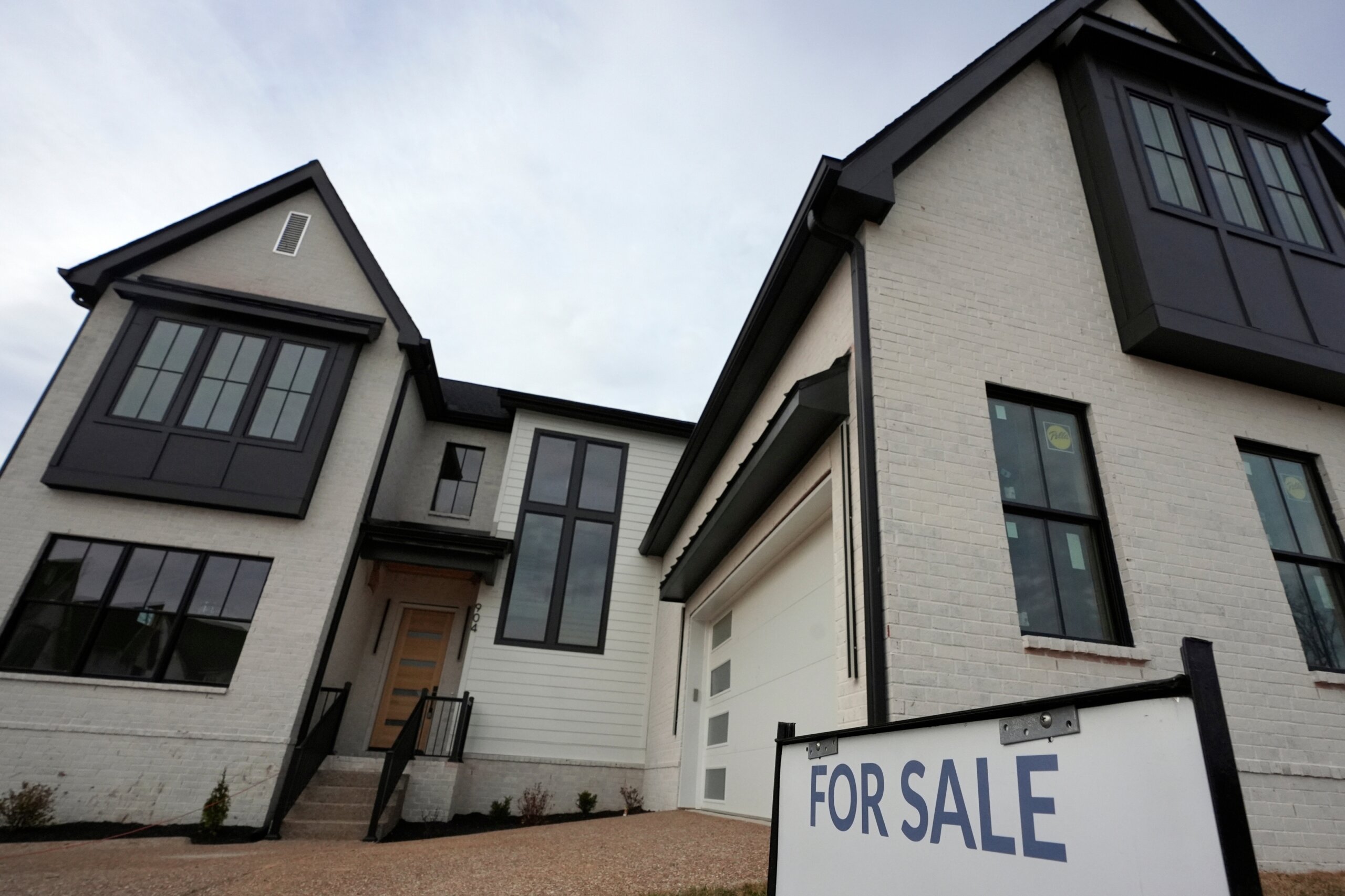
They weren’t the most impressive-looking houses: boxy and small, two bedrooms with a living room and kitchen, no basement, tossed up one after another in assembly-line fashion.
For certain families in the years after WWII, though, they were perfect — a chance to have a home of one’s own, an answer to a serious housing shortage. So was born Levittown, about 40 miles outside of New York City on Long Island. It grew to more than 17,000 houses, the first wholly planned American suburb.
Developer William Levitt wasn’t the first builder to use mass-production methods to build homes that were accessible to the middle class, but “nobody was building on the scale that he did,” says Ed Berenson, professor of history at New York University and author of “Perfect Communities: Levitt, Levittown and the Dream of White Suburbia.”
Levitt started out with 2,000 homes, unsure of what the demand would be. About three times that many people signed up, so eager were returning veterans for their own homes. The Federal Housing Authority played a part as well, guaranteeing mortgages.
But the first Levittown and others that he built, and suburbs developed by others, weren’t open to all. Federal backing of mortgages was aimed at white buyers, in white communities, not Black buyers. Levitt refused to sell to Black families and included restrictive covenants that barred those who bought the homes from reselling to Black people.
That’s left a legacy in a country where the biggest financial asset for many Americans has been their homes, Berenson says.
“What Levitt did by creating these exclusively white communities is he set up a structure that still exists today, and it’s a structure that has really maintained racial inequality, even more than class inequality,” Berenson says. “It’s not nearly as bad as it was, but it still exists.”
___
Part of a recurring series, “American Objects,” marking the 250 anniversary of the United States.