
Why Gillette Stadium turf had to be replaced days before Patriots preseason opener

Click here for updates on this story

    FOXBOROUGH, Massachusetts (WBZ) — As the New England Patriots prepare for their first preseason game later this week, crews at Gillette Stadium are once again replacing the playing surface.

WBZ SkyEye video captured rolls of turf inside the stadium’s tunnels Monday as crews worked to replace the field for the second time since the World Cup. The latest artificial turf was removed after it failed to pass an independent laboratory test required by the NFL.

ESPN Patriots reporter Mike Reiss tells WBZ the Patriots installed an artificial turf field to replace the natural grass installed for the World Cup, and initial testing by both the NFL and Major League Soccer showed positive results.

“They were told this is good to go, but they also need to clear an independent laboratory test which is sort of a co-op with the NFL and the NFL Players Association, and that was where the field was deemed non-compliant,” Reiss said.

The Patriots have not released an official statement about the turf issue, but the team tells WBZ on background artificial turf fields typically consist of three layers: a base, usually made of concrete, asphalt or stone dust; a pad or e-layer separating the turf from the ground; and then the artificial grass itself.

On the bottom of Gillette Stadium, the base is stone dust, a more forgiving surface. A vendor told the team the pad on top of stone could make the field “too springy” to play on. So, the decision was made to not include the added layer.

“The Patriots felt like their choice of field and that stone dust was going to pass. But because the independent laboratory test did it over the e-layer, it was an inconsistent duplication, I suppose, of what they were testing,” Reiss explained.

With the second turf replacement nearly complete, Reiss said the Patriots are confident the new field will be ready and approved before Thursday night’s preseason opener against the Indianapolis Colts.

“I believe the reason they feel it’s going to pass is that the field they’re installing is the latest version of what they had last year, which passed,” Reiss added.

The latest replacement also raises the question of why Gillette Stadium does not simply retain the natural grass used during the World Cup, favored by FIFA and other advocates.

Reiss said longtime Patriots fans may remember what happened when the stadium used natural grass nearly two decades ago.

“Longtime Patriots fans would remember 2006. They had the natural grass. It was hard to upkeep. And the field became a mud pit in a late-season game against the Jets. The hated Jets, the Patriots lose the game,” Reiss said. “And Bill Belichick, who was the head coach at the time, said, ‘never again,’ as I understand it. And that’s when they went to the artificial surface that’s been there ever since. And I think it’s just with the event load that they have, it’s hard to maintain a natural grass field.”

Please note: This story was provided to CNN Wire by an affiliate and does not contain original CNN reporting. This content carries a strict local market embargo. If you share the same market as the contributor of this article, you may not use it on any platform.
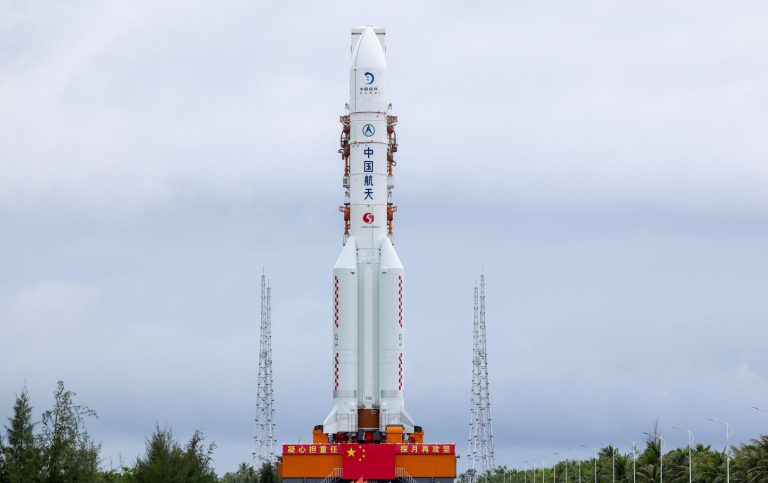
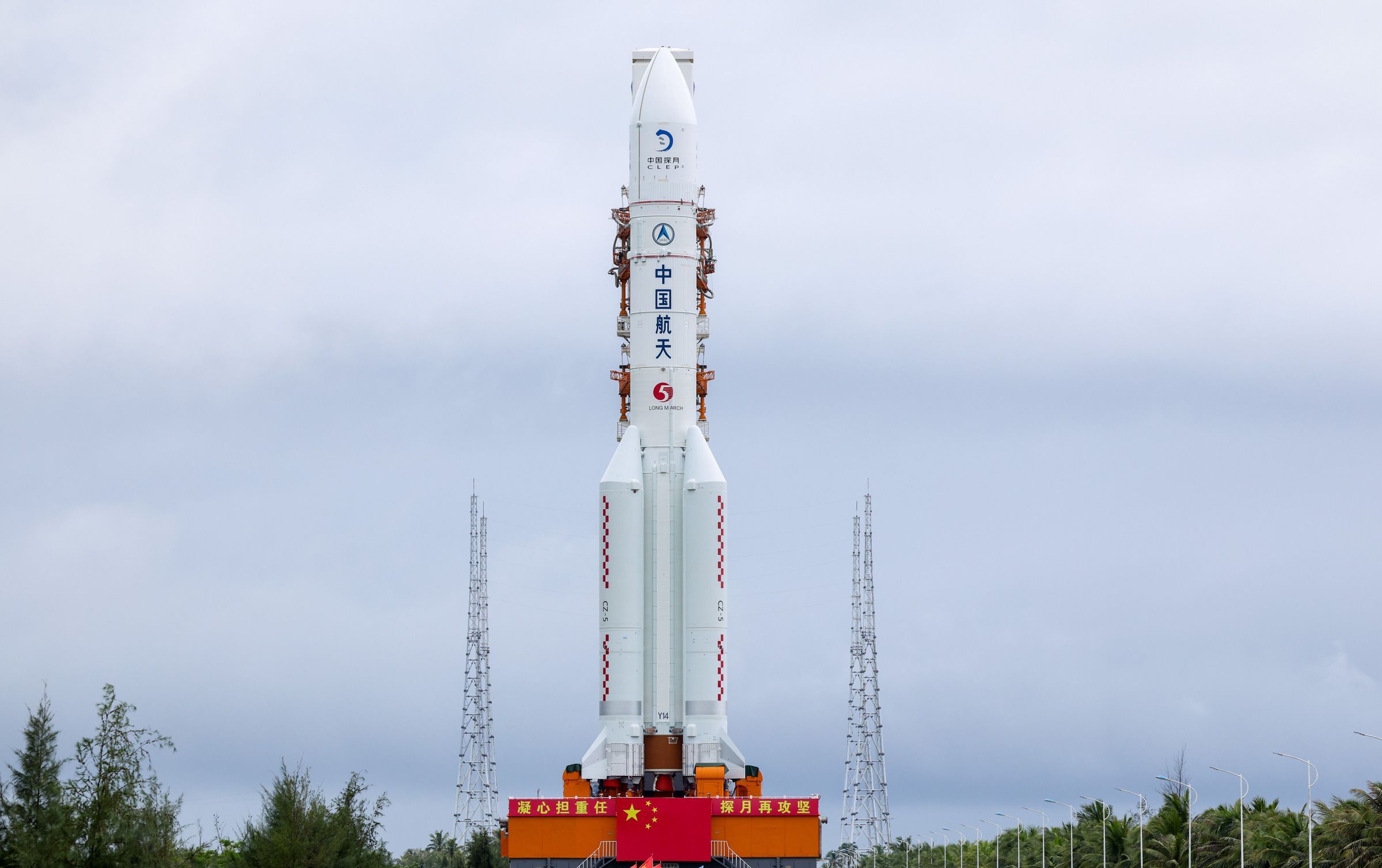
En plena carrera espacial, China aplaza el lanzamiento de una misión lunar sin precedentes para buscar agua

El muy esperado lanzamiento de la misión robótica china Chang’e-7, diseñada para explorar el polo sur lunar en busca de hielo de agua —un recurso de gran valor que Estados Unidos también espera utilizar—, “no podrá llevarse a cabo durante la ventana prevista para este año”, según un comunicado de la Oficina de Ingeniería Espacial Tripulada de China difundido por los medios estatales chinos.Se esperaba que el despegue de la misión tuviera lugar tan pronto como el domingo por la noche o el lunes por la mañana, hora de Beijing. Ahora no está claro cuándo podría intentar lanzar la misión china.La razón exacta del retraso no se aclaró de inmediato. Los medios estatales se limitaron a informar que la “sonda lunar no cumple con las condiciones de lanzamiento” y que la “evaluación se realizó siguiendo los principios de prudencia, fiabilidad y éxito absoluto de la misión”.Estados Unidos y China compiten por establecer asentamientos en el polo sur lunar, donde se cree que existe agua en abundancia en forma de hielo dentro de cráteres en sombra permanente.Ninguna misión ha analizado directamente el agua en la Luna hasta la fecha, algo que la Chang’e-7 intentará hacer.Aunque Estados Unidos ha detectado y comenzado a estimar el tamaño de los depósitos de hielo de agua mediante sensores remotos en satélites en órbita, nunca ha logrado enviar con éxito una sonda para perforar y extraer dicho recurso.Una empresa con sede en Texas, Intuitive Machines, envió a la Luna en 2025 una sonda perforadora destinada a buscar agua. Sin embargo, la nave sufrió un percance al intentar aterrizar en el terreno notoriamente traicionero del polo sur y no pudo cumplir los objetivos de su misión.No obstante, el retraso en el lanzamiento de la misión Chang’e-7 podría devolver la competitividad a este capítulo de la “carrera espacial” (término utilizado por funcionarios estadounidenses para describir la pugna con China).Estados Unidos tiene varias naves espaciales en camino hacia la misma región lunar que la misión Chang’e-7 tiene como objetivo para el próximo año. La empresa Astrobotic Technologies, con sede en Pittsburgh, podría lanzar su módulo de aterrizaje Griffin al polo sur lunar a finales de 2026. Por su parte, Blue Origin, la compañía espacial de Jeff Bezos, planea enviar hasta dos módulos de aterrizaje robóticos a la Luna el año que viene. Uno de ellos podría transportar el rover VIPER, un robot de prospección diseñado específicamente por la NASA para buscar hielo de agua y otros recursos lunares.La convicción de que el polo sur lunar alberga enormes reservas de hielo de agua es una de las razones principales por las que esta región se ha convertido en el escenario central de esta competencia internacional. Este recurso es de gran valor para la exploración del espacio profundo y para una futura base lunar, ya que puede transformarse en aire respirable, agua potable o incluso combustible para cohetes.Actualmente se desconoce si el hielo de agua está presente en cantidades suficientes para resultar útil en estos fines. Sin embargo, la misión Chang’e-7 podría contribuir a lograr “avances importantes en esta cuestión, refinando y centrando los experimentos para futuras exploraciones y pruebas”, declaró a CNN Yuqi Qian, geólogo lunar de la Universidad de Hong Kong.Qian señaló que, con la misión Chang’e-7, el programa lunar de China está “pasando de ser un programa de exploración a uno de aprovechamiento de recursos”.The-CNN-Wire™ & © 2026 Cable News Network, Inc., a Warner Bros. Discovery Company. All rights reserved.
Read Next Story