
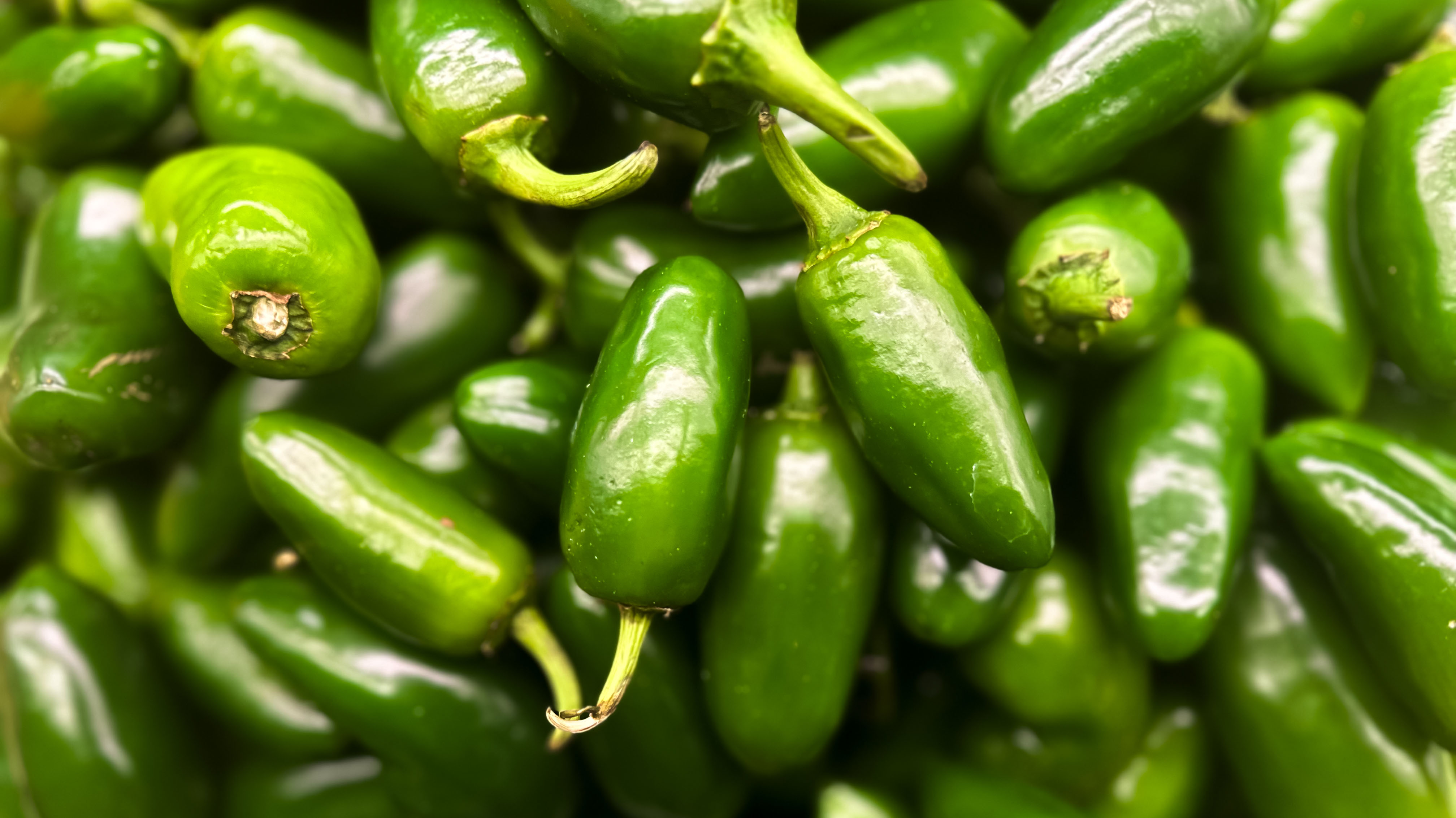
(NEW YORK) — Taylor Farms is now pulling more than a dozen products with jalapenos from grocery stores across the United States.
It’s the latest recall as part of the salmonella outbreak that has made 345 people sick in 27 states. Restaurant chains Chipotle and QDOBA pulled jalapenos last week. The U.S. Department of Agriculture (USDA) said this weekend grocery stores are also removing meat products that include jalapenos.
The list of 20 recalled foods includes dips, salsas and guacamole sold at grocery stores including Walmart, Target, Whole Foods, Trader Joe’s and Kroger.
The Food and Drug Administration (FDA) released a list of recalled products Sunday, which includes diced jalapenos and rice and bean burritos from Hannaford, as well as spicy pimento cheese dip, spicy Jarlsberg dip and spicy roast beef sandwiches from Kroger.
Stop and Shop and Hannaford pico de gallo salsa was also recalled.
Products recalled from Target include authentic guacamole, spicy guacamole, pico de gallo, mango pico de gallo, and taco dip. Walmart’s recalled products include mild pico de gallo and hot (or spicy) pico de gallo, while fiesta style salad shrimp was recalled from Trader Joe’s.
Whole Foods’ recalled products include salsa fresca medium, mild pico de gallo, spicy pico de gallo, medium salsa roja, and mild pineapple mango salsa.
Recalled products were sold under brand names including Taylor Farms, Trader Joe’s, Private Selection and Freshness Guaranteed. Some recalled products were unbranded.
The products were distributed across 26 states including Alabama, Arkansas, Florida, Georgia, Illinois, Indiana, Kansas, Kentucky, Louisiana, Massachusetts, Maine, Michigan, Minnesota, Missouri, Mississippi, Nebraska, New Hampshire, New York, Ohio, Oklahoma, South Carolina, Tennessee, Texas, Vermont, Wisconsin and West Virginia.
They include a “best if used by” date up to and including Aug. 16, 2026.
In a statement to ABC News, Walmart said, “Safety is a top priority. When notified of recalls, we move swiftly to remove the impacted products from our stores and implement a sales block at our registers and online. We are working closely with our supplier, and customers who have this should discontinue use.”
This all underscores Taylor Farms’ broad reach within the U.S. food system. Last year, it said it made 40% of all salad kits sold in the U.S. and accounted for 265 million servings of fresh vegetables to Americans per week.
Taylor Farms, the massive food producer also linked to the record cyclosporiasis outbreak, said it received the jalapenos from Coast Citrus Distributors. The FDA had already traced that company to the salmonella outbreak across 27 states. The FDA said the jalapenos from Coast Citrus came from Sinaloa, Mexico.
“Taylor Fresh Foods is no longer sourcing products from this farmer and will be filling orders from alternative suppliers,” Taylor Farms said in a statement. “To date, Taylor Fresh Foods is not aware of any reported illnesses linked to its products containing jalapenos.”
ABC News reached out to the Department of Health and Human Services and GrubMarket, parent company of Coast Citrus Distributors, for additional comment on the recalled foods with jalapenos but did not receive a reply.
At the same time, the scope of the separate cyclosporiasis outbreak linked to Taylor Farms is expanding. An update on the FDA’s website says potentially contaminated iceberg lettuce was also distributed to Subway locations in July. Subway did not respond to an ABC News request for comment.
The Consumer Federation of America sharply criticized Taylor Farms for not being more transparent in its original recall notice about the brands and retailers potentially affected by the parasite.
Copyright © 2026, ABC Audio. All rights reserved.