In a back room behind a colorful facade in northern Manhattan, drug users are smoking crack while nearby cubicles stand ready for heroin users to wrap tourniquets around their arms and inject themselves with new, sterilized needles. It's all part of a 5-year-old experiment sanctioned by the city of New York, but not by the federal government, which has long-standing anti-"crack house" laws criminalizing facilities that allow for drug use.Supporters say the supervised drug-use sites reduce overdose deaths and street drug use, and serve as a model for the rest of the country. But critics say the centers are magnets for hard drug users and dealers, leaving the local community feeling less safe."It's scary for the kids walking into school in the morning, seeing people in that state," said an educator at a nearby school who spoke on condition of anonymity because they were not authorized to speak to the media.New York City has two facilities like this, known as overdose prevention centers, or OPCs. By supervising the use of addictive, illegal drugs, proponents say the sites remove barriers to healthcare and can lead to people getting off drugs or transitioning to less risky behaviors.In a recent interview with CBS News, OnPoint NYC Executive Director Sam Rivera said his team has intervened in more than 2,100 overdoses with no fatalities, and has more than 7,000 registered participants who have used the facility's services 250,000 times since it opened in 2021."250,000 times people used inside with us, not in the parks, not in the street, not in the playgrounds, not in bathrooms," said Rivera.Rivera gave CBS News a tour of OnPoint's facility in East Harlem, a neighborhood where problems with drug use have persisted for decades. In addition to the smoking room and injection cubicles, OnPoint offers services such as primary medical care, addiction medication, art therapy, sleep rooms and laundry, as well as perks like massage, acupuncture, aromatherapy and, soon, hair styling.They are amenities that might seem more at home in an upscale wellness center than a place where people can inject heroin just a few steps from the massage tables. But Rivera said the wellness therapies serve a purpose."Those things are medicine. Those things are reducing drug use, introducing people into an environment that loves them," he told CBS News. "Many of our folks haven't experienced that."OnPoint NYC Executive Director Sam Rivera at the organization's facility in East Harlem.
CBS News
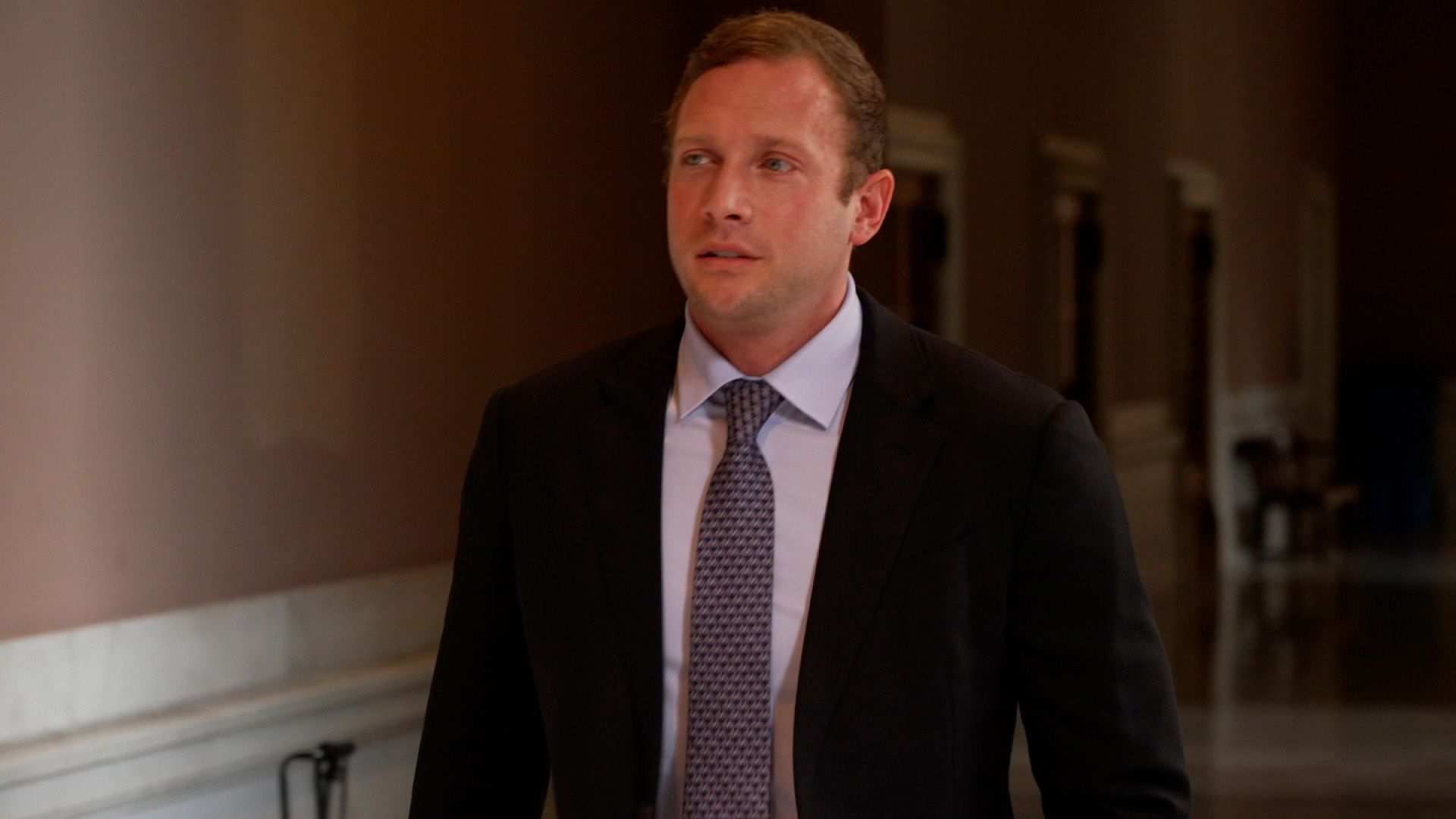
In the massage room, an OnPoint participant-turned-part-time employee said, "I did the acupuncture, for the first time my back feels better. I didn't believe it but it really works."Outside of OnPoint's walls, however, some residents say they're not happy about what it means for their neighborhood."You couldn't pay me to walk down that street anymore," said Syderia Asberry-Chresfield, co-founder of the Greater Harlem Coalition. "The dealers don't even have to look for clients. Drugs are being sold in front of everyone's faces. It's a slap in the face."CBS News met Led Black, founder of the local media organization Uptown Collective, who lives a few blocks away from another OnPoint location in Washington Heights. "I have three daughters. They're not little, but they're still young, they still shouldn't have to deal with this," he said. "You don't want the kids downtown to see it. Why is it OK for the kids up here to see it?" Political controversyIn a campaign ad, New York state attorney general candidate Saritha Komatireddy, a former federal prosecutor running as a Republican, singled out OnPoint as an example of bad policy."The problem here is these sites take people in, they give them deadly drugs, and then they turn them right back out on the street and into the subways. That's not a solution," Komatireddy told CBS News. "I think it's unethical. I think it's cruel, and it's definitely illegal." (OnPoint has a space for users to stay indoors and be monitored while they are under the influence of drugs.)She notes that the East Harlem location is directly across the street from an early childhood development center and two blocks down from a school with students in kindergarten through grade 12.Last year, Rep. Nicole Malliotakis, a New York Republican, publicly asked then-Attorney General Pam Bondi to shut down the facility, citing federal law prohibiting illegal drugs."They're enabling addiction instead of actually getting people the treatment they need to get off drugs," Malliotakis told CBS News. "They're also letting dealers know where their clients are."Harm reductionIn the 1970s, amid rising drug use in America, a movement began that would evolve into what's known today as "harm reduction" policy, with a core principle of removing any judgment or coercion from drug treatment. Providing clean needles and testing drugs for contaminants that can cause sudden death seemed like the humane way to address painful-to-kick addictions, keep people alive, and reduce infectious diseases. Despite the compassion behind the policies, they were no match for the nation's growing addiction crisis or increasingly lethal drug supply in recent years. Federal data show the rate of drug overdose deaths quadrupled in the U.S. between 2002 and 2022, a problem largely driven by prescription opioid pills before ballooning into a full-blown opioid epidemic. Overdose deaths climbed to a peak of almost 108,000 in 2022 before starting to decline, according to the Centers for Disease Control and Prevention.Overdose prevention centers that supervise drug use in-house are an extension of the harm reduction approach. While still unfamiliar to most Americans, they've existed internationally for two decades, with one report finding more than 100 such facilities worldwide, including many across Europe. The one in Vancouver, Canada, is probably the most well known and has been in operation since 2003. Vancouver saw a steady rise in overdose deaths until a peak in 2022.Support from the cityJust two months after taking office, New York City Mayor Zohran Mamdani visited OnPoint to show support for the program."This weekend, the team at OnPoint NYC kept their doors open 24/7 so vulnerable New Yorkers had somewhere safe to go," Mamdani posted on X in March, alongside photos of himself with Rivera and other staff.New York City Mayor Zohran Mamdani posted this photo on March 2, 2026, of his visit to OnPoint NYC.