Trump approves U.S.-Saudi civil nuclear energy agreement, officials say

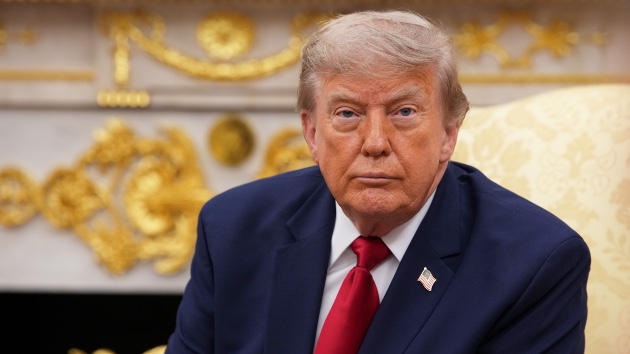
U.S. President Donald Trump looks on during a bilateral meeting with the Prime Minister of Iraq Ali al-Zaidi, in the Oval Office of the White House on July 14, 2026 in Washington, DC. . (Photo by Andrew Harnik/Getty Images)

(WASHINGTON) — President Trump has approved an agreement with Saudi Arabia to partner on developing the Kingdom’s civil nuclear energy program, according to two U.S. officials.

The deal leaves open the possibility that Saudi Arabia will enrich uranium domestically in the future, the officials said, a prospect that could raise concerns about nuclear weapons proliferation.

In the deal, the United States and Saudi Arabia have agreed to safeguards to inhibit any weaponization effort, the sources said. But that framework would be governed by the two countries themselves, instead of the International Atomic Energy Agency (IAEA), which conventionally oversees nuclear pacts.

Secretary of State Marco Rubio was asked about the agreement on Wednesday. He declined to comment on the contours of the plan but said that the Trump administration would work with Congress to formalize the deal.

“Suffice it to say, the U.S. is not going to reach any agreement with any country in the world that leads to the risk of proliferation,” Rubio said.

The agreement, under which U.S. industry would help develop Iranian nuclear infrastructure, spans 30 years and is valued at tens of billions of dollars, the officials said.

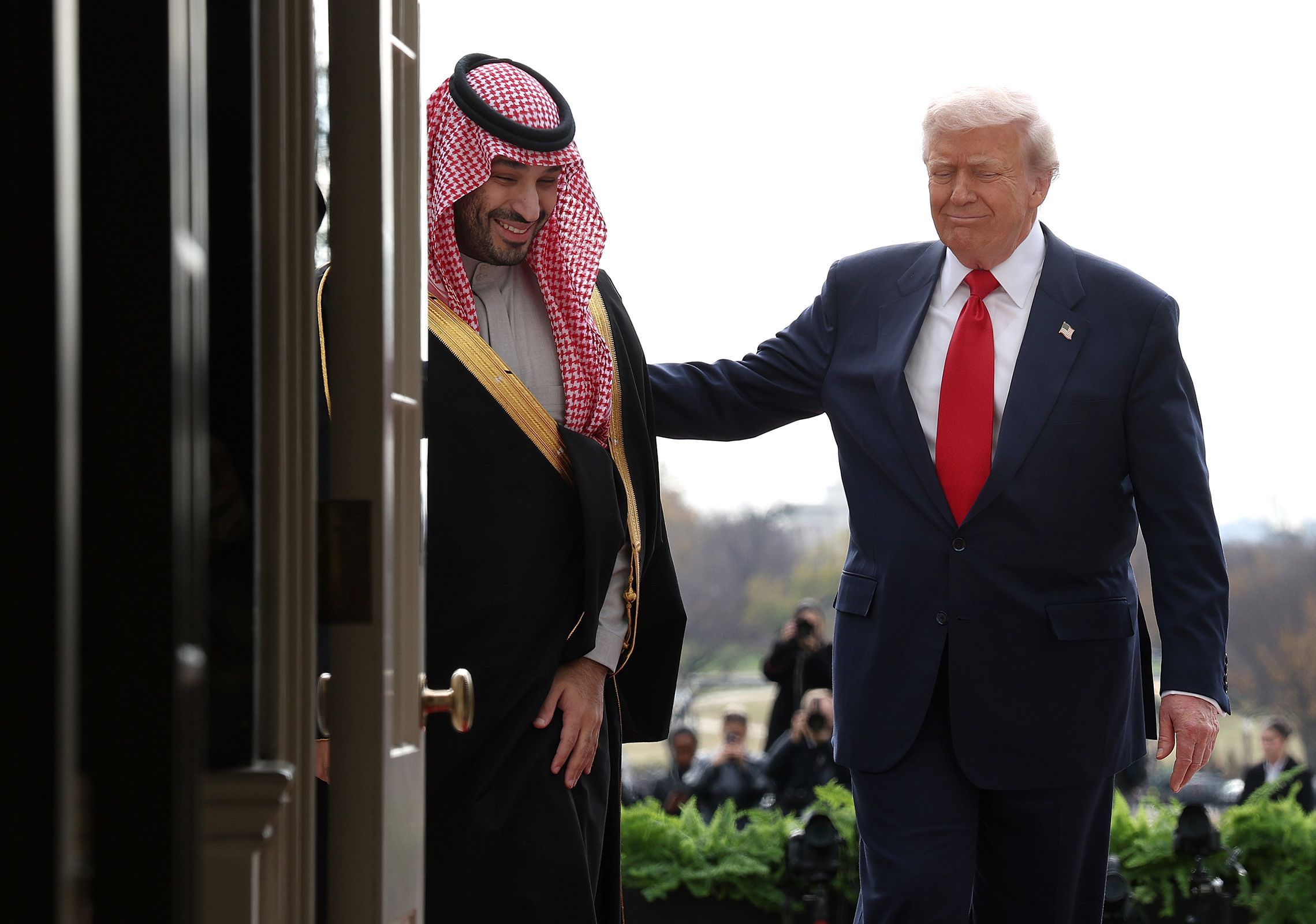
The U.S. and Saudi Arabia discussed details of the proposal during a visit to Washington, D.C. by Saudi Crown Prince Mohammed bin Salman last fall. The administration is expected to submit the deal to Congress, which is required by federal law.

The Wall Street Journal first reported that the president had approved the deal. 

Copyright © 2026, ABC Audio. All rights reserved.
Nvidia set to report earnings as AI bubble fears loom

Nvidia's logo is displayed at their headquarters on Aug. 26, 2026, in Santa Clara, California. Nvidia's second-quarter earnings are expected to be released after markets close on Wednesday. (Benjamin Fanjoy/Getty Images)(NEW YORK) -- Nvidia is set to report earnings on Wednesday as a data center boom drives demand for the company's advanced artificial intelligence chips, despite political backlash and looming concern about a financial bubble.In recent years, the California-based behemoth has defied skeptics with blockbuster revenue quarter after quarter.Rip-roaring growth transformed Nvidia from an ascendant AI player into the world's most valuable company. Investors will be eager to see whether the firm continued to deliver staggering revenue gains over the three months ending in July.The results hold implications well beyond Nvidia. Many analysts view the company as a bellwether for the stock market and the overall economy, which have both come to rely in part on massive spending on AI.Nvidia is expected to report second quarter revenue of $92 billion, which would amount to a 96% jump from the same period a year earlier, Bloomberg estimates showed.As big-tech names spend hundreds of billions on chips and data centers necessary for the energy-intensive technology, however, the financial benefits remain uncertain.The earnings reported by Nvidia will gauge demand for a key building block of AI, showing whether appetite for the technology remains at a fever pitch.Before the earnings report, Karan Girotra, a professor of operations, technology and innovation at Cornell Tech, said investors would watch whether the company has retained its dominance in chip manufacturing.As opposed to the highly competitive markets for AI models and enterprise products, the chip sector has given way to a clear winner.Nvidia "does not face a serious challenger at its layer of the stack and is probably the best chance for public market investors to profit from the AI boom," Girotra said.Fears of an AI bubble persisted ahead of Nvidia’s previous earnings report, but the company rebuked naysayers. Nvidia recorded $81.6 billion in sales over three months ending in April, which beat analyst expectations of $79.2 billion. The jump in revenue marked 85% growth compared to the same quarter a year earlier.Despite Nvidia's continued expansion, investors have proven jittery in recent months. Shares have climbed 13% so far this year after soaring nearly 39% in 2025.The company boasts a market cap of $5.1 trillion, making it roughly equivalent to the GDP of Japan or Germany. Nvidia expanded at a breakneck pace after an AI craze set off by the release of OpenAI’s ChatGPT in 2022, soaring nearly 700% over the ensuing two years.Copyright © 2026, ABC Audio. All rights reserved.

Read Next Story