
Transcript: Rep. Mike Turner on ‘Face the Nation with Margaret Brennan,’ July 12, 2026

▶ Watch Video: Rep. Mike Turner hopes passing Russia sanctions bill will be part of Lindsey Graham’s legacy

The following is the transcript of an interview with Republican Rep. Mike Turner of Ohio that aired on “Face the Nation with Margaret Brennan” on July 12, 2026.


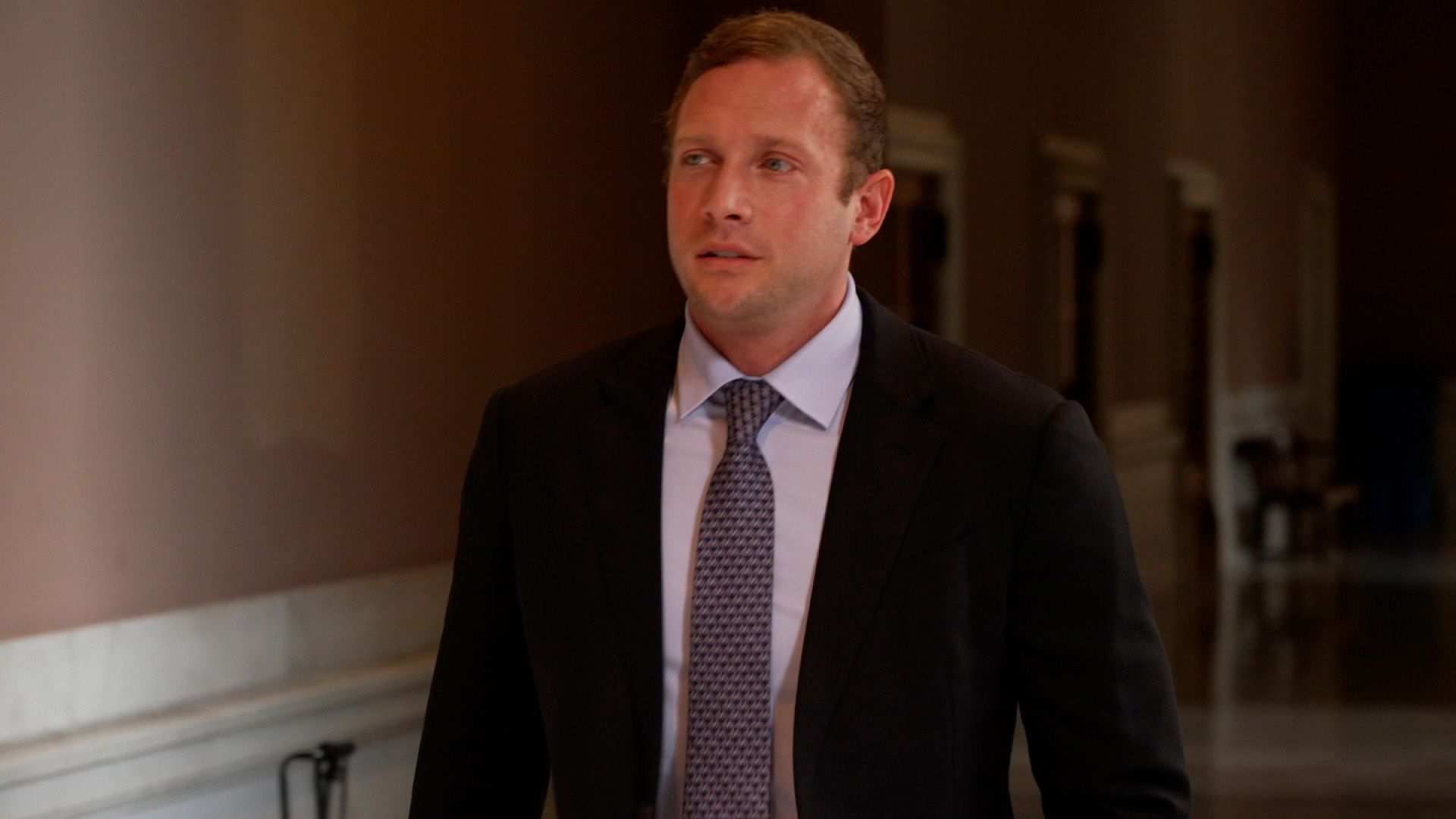
MARGARET BRENNAN: And we’re joined now by Ohio Republican Congressman Mike Turner. It is good to have you here, Congressman. I know you are a friend to Ukraine. Senator Graham certainly was. As I mentioned, he was so excited about finally getting to move this sanctions and tariffs bill. Do you think that this will go forward without a champion like him behind it?

REPRESENTATIVE MIKE TURNER: Well, let’s hope. Let’s hope, as you had- had indicated, that- that- that is one of the legacies that- that the Senate will move his bill. You know, we were- I was at the NATO summit with Lindsey Graham and another senator last- last week, Senator Shaheen, Coons, Durbin, Rounds, and as we met with Zelenskyy, Lindsey Graham was making the point of the need for this sanctions bill that has passed the House and that I’ve co-sponsored, and that- that should pass the Senate, that Lindsey has been such a champion for. It was his- it was his bill. You know, what’s so sad about losing Lindsey is that, you know, in this debate now that we have of America first- you can be America first and still understand that it doesn’t have to be America alone. That, you know, allies want America’s voice. America’s voice is important. America needs to stand for- for freedom and- and democracy and liberty. And that’s what they saw in the voice of- of Lindsey Graham. You know, in McCain’s voice and Reagan’s voice, and what- what they saw in Lindsey was someone who was willing to stand up and say, “You’re not alone. America is with you.” You know, we’re not going to do it for you. We’re not going to- you know come in and decide for you. But- but you’re not going to be alone. And- and he was that voice with Ukraine, having just gone to Ukraine, saying we’re- we’re going to be with you, and this bill would be an important symbolism to say ‘we’re going to be with Ukraine.’ And I certainly hope the Senate moves it this week, and we can put it on the president’s desk this week. As you had said earlier, he had been in touch with you and said he believed he had movement from the White House for that bill. We should pass this bill, put it on the president’s desk.

MARGARET BRENNAN: Do you know if Republican leadership has considered that at all at this point?

REP. TURNER: I don’t–

MARGARET BRENNAN: Okay.

REP. TURNER: –I know that, you know, we certainly have the news where they had just said upon our–

MARGARET BRENNAN: Yeah.

REP. TURNER: –return from the NATO summit that they believed–

MARGARET BRENNAN: Yeah.

REP. TURNER:–that they could move this in the Senate.

MARGARET BRENNAN: Yeah.

REP. TURNER: The House has already passed a version of this bill–

MARGARET BRENNAN: Yeah.

REP. TURNER: So I know there’s broad support. There were, you know, more than a- you know veto-proof number of senators–

MARGARET BRENNAN: Yeah, 85 in the–

REP. TURNER:–who co-sponsored it. With the White House’s support, this bill could be on the president’s desk this week.

MARGARET BRENNAN: Let me ask you as well about NATO. You had voted for a bill years ago, CAATSA, we’ll call it, that would challenge what Turkey had done, which was buy this Russian weapons system, and President Trump said this week that he’s okay with lifting some of the sanctions and letting Turkey have the F-35 fighter. How could that happen and not violate the law that you supported?

REP. TURNER: Right. So you’re speaking of the S-400s, which is the Russian air defense–

MARGARET BRENNAN: Yes.

REP. TURNER:–system that that Turkey had purchased, and during that time, Congress had passed, which had been signed into law, a bill that would restrict the the president’s ability–

MARGARET BRENNAN: In the first Trump administration.

REP. TURNER: Right. And to- to waive sanctions that were placed on Turkey, including it had taken them out of the F-35 program. The- Turkey has signaled that they are now in a position that they want to comply with the- with that bill that would put them in a position where the S-400 would no longer be an impediment to their entering back into the F-35 program. I certainly hope that that occurs.

MARGARET BRENNAN: They’ll sell it to somebody else?

REP. TURNER: The information, you know- I can’t disclose what they had told to us, but it’s very promising. Of all the senators, we agreed together that we would be able to publicly say what we heard was very promising, and Senator Shaheen has said- you know, she was one of the original authors of this, she believes it’s promising. If they do this, and to get them back in the F-35 program is incredibly important. They’re a member of NATO, a very strong member of NATO, having just, of course, hosted the summit, which was very successful. I certainly hope that they follow through and that they do so in a manner that returns them. They were also a producer of parts for the F-35, so entering back into production would be very, very important.

MARGARET BRENNAN: I want to ask you about some other things on the domestic front as well. Late Friday, Homeland Security made an announcement that they’re going to change- they want states to change the way that elections are conducted, or if states refuse, they’ll lose millions in federal terrorism prevention funds. So, there are a list of things in there, including switching to paper ballots, which, like, nearly every single state has a paper backup system at this point. What do you think of this federal pressure to get states to change their elections?

REP. TURNER: Right, so I’m not really familiar with this announcement. You know, obviously there is concern in Congress of federal intervention on the election–

MARGARET BRENNAN: As a conservative, you must. Yeah.

REP. TURNER: –on the state side. But at the same time, there is also- or America First, you know the- you know the- the provisions of the bills that are moving through the House that relate to ensuring that we have identification for people to- to prove that they’re American citizens, mail ballots as the president has made as a portion of his provisions

MARGARET BRENNAN: Right.

REP. TURNER:–that he’s continues to–

MARGARET BRENNAN: He wants to change all these things.

REP. TURNER: All of those things are of concern, and certainly we have to address them.

MARGARET BRENNAN: You’re how many days until the midterm elections? At this point, that’s not really practical–

REP. TURNER: The House has passed these provisions several times, all of which I have voted for–

MARGARET BRENNAN: We noticed that. We did check that.

REP. TURNER: –I think- I think the Senate does need to move these provisions.

MARGARET BRENNAN: But did you vote for it, knowing that the Senate doesn’t have the votes to actually make it become law? Vote yes, hope no?

REP. TURNER: I think- I think- I think the president is- is certainly making a very good case as to how these provisions need to- to become law, and I think that they are ones that will ensure for the American public, you know, integrity in the- in voting.

MARGARET BRENNAN: Well, non-citizens can’t vote in federal elections. That became one 1996–

REP. TURNER: The concern is how do you ensure that- that’s going- that that is occurring–

MARGARET BRENNAN: Which each state does.

REP. TURNER: And we need to make certain that we ensure that that occurs.

MARGARET BRENNAN: At the state level?

REP. TURNER: You know, certainly–

MARGARET BRENNAN: I’ll let you go on that. But, just to–

REP. TURNER: Certainly having- having identification should be at least, the way to ensure–

MARGARET BRENNAN: Yes, but not–

REP. TURNER: –that someone- that we know who’s voting.

MARGARET BRENNAN: Yes.

[CROSSTALK]

REP. TURNER: How do we- how do we have? I mean, there are so many things–

MARGARET BRENNAN: Well the states verify it. And not all drivers license say you are a citizen.

REP. TURNER: –that you have to have identification for. How do you- how do you let someone vote and not even have an identification? I can’t understand how anyone would be opposed to that.

MARGARET BRENNAN: Let me–

REP. TURNER: And this is one of those things where it’s- it’s off the charts. The American public believe that people should–

MARGARET BRENNAN: Yeah.

REP. TURNER: –have identification to vote. This should pass.

MARGARET BRENNAN: Yeah, and- and that’s often required when you register. Very quickly, do you know what the plan is to deal with the Haitians who are having their temporary protected status revoked in Springfield, Ohio?

REP. TURNER: So as of Friday, there’s been a short-term extension because of the–

MARGARET BRENNAN: So the 24th of July.

REP. TURNER: It’s over- two weeks. You know, the- Markwayne Mullin, Secretary has said that those individuals who are working- that they should look to- as manner in which they might be able to be included in other processes, because, you know, they’re contributing to society certainly. You know our governor Mike DeWine and myself and others who have individuals in our community who are going to be affected, are certainly advocates for these individuals to be able to stay in our communities, who are working and contributing. They’re valuable people in our community, and we certainly hope–

[CROSSTALK]

MARGARET BRENNAN: You voted for Congress to extend this, but leadership–

REP. TURNER: –we certainly hope that they can- that they can stay and- and be able to contribute into our communities.

MARGARET BRENNAN: We’re going to continue to- to track that and whether they have that hope beyond the 24th of July. Congressman, thank you for your time. We’ll be back in a moment.
Wisconsin’s Democratic showdown and more primary races to watch today

▶ Watch Video: Several states gear up for high-stakes primaries, including Wisconsin, Vermont and Minnesota Six states are holding primaries on Tuesday, with the unpredictable Democratic primaries in Wisconsin and Minnesota coming to a close as South Carolina Republicans choose a successor for the late Sen. Lindsey Graham's seat. In Wisconsin, the democratic socialist Francesca Hong and the more moderate David Crowley are duking it out for the Democratic nomination in the governor's race after two other candidates dropped out of the race. President Trump's ally, Rep. Tom Tiffany, is all but certain to win the GOP nomination.With Minnesota Democratic Sen. Tina Smith not running for reelection, Lt. Gov. Peggy Flanagan and Rep. Angie Craig are fighting for the Democratic nomination for Senate in another proxy battle between two different factions of the party. Sen. Amy Klobuchar is opting to run for governor, and faces no significant primary opposition in the race to replace Gov. Tim Walz, who is not running for reelection. On the ballot for the Republican nomination for the Minnesota Senate seat, Michele Tafoya, a former sportscaster, is considered the frontrunner against Adam Schwarze, a retired Navy SEAL, and Royce White, a former professional basketball player who was the 2024 GOP candidate. In the governor's race, MyPillow CEO Mike Lindell, Minnesota House Speaker Lisa Demuth and businessman Kendall Qualls are the major contenders for the GOP nomination.And in South Carolina, the sprint to Tuesday's special primary election to replace Graham on the ticket comes to a head. Graham's sister, Sen. Darline Graham, has been appointed to fill out the remainder of his term and is facing off against nine primary challengers for a spot on the ballot in November. Here are the major races to watch today:South CarolinaTen Republicans are facing off in South Carolina Tuesday in a special primary election to represent the party on the ballot in November, after Graham's sudden death last month. Graham, a four-term senator, had secured the GOP nomination in June in his bid for six more years representing South Carolina. After his death, his sister, Darline Graham, was appointed to serve until January. And days after she was sworn into office, she announced that she was running for a full term representing the Palmetto State — with Mr. Trump's encouragement.But the president's endorsement of Graham didn't prevent a slew of Republicans from jumping into the race. Reps. Russell Fry and Ralph Norman are also seeking the nomination, along with former South Carolina Gov. Mark Sanford and businessman Mark Lynch, who lost the June primary to the late senator. If no candidate secures a majority of the vote in Tuesday's primary, the contest could head to a runoff later this month to determine who takes on Democrat Annie Andrews in November.Wisconsin governor's race Mr. Trump won perennial swing state Wisconsin in 2024 by less than a point, and the state is one of only two in the country with one Republican senator and one Democratic senator. Two-term Democratic Gov. Tony Evers is not running for reelection, opening up the Democratic nomination for governor. Former Lt. Gov. Mandela Barnes, who lost the 2022 Senate race against Sen. Ron Johnson by one point, had thrown his hat in the ring, as well as Lt. Gov. Sara Rodriguez, Milwaukee County Executive David Crowley and Francesca Hong, a state lawmaker and former chef. The race started to take a completely different shape in July, when Crowley dropped his bid and threw his support behind Rodriguez, who was considered more of an establishment candidate. But Rodriguez dropped out days later after discovering her campaign had less money in the bank than previously believed. Although Barnes had pulled out a surprise victory in the 2022 Senate primary as a progressive candidate and won statewide as the state's first Black lieutenant governor in 2018, Hong had risen to be the frontrunner. With Wisconsin voters facing those hard-left choices on the ballot, Crowley then announced he would return to the campaign trail as a centrist Democrat. Crowley said in a debate last month that he initially made the decision to drop out based on data, but "we were going off false data," prompting him to return to the race.Barnes then announced on July 30 — less than two weeks before the primary — that he would be dropping his bid, saying, "it's becoming very clear who the Democratic nominee is going to be," pointing to Hong. Barnes' announcement came as the Milwaukee Journal Sentinel was investigating allegations that he was taking advantage of his role in the party to have sexual encounters with young adult women. Barnes has not addressed the allegations and has not been accused of any crimes. The two frontrunners in the Democratic primary are now Hong and Crowley, who has since gotten Evers' backing, setting up a battle between the party's moderate and progressive factions. Barnes' and Rodriguez's names remain on the ballot due to their late withdrawals from the race.The rise of Hong, who had the backing of the Wisconsin chapters of the Democratic Socialists of America, comes a year after progressive Zohran Mamdani won the New York City mayor's race and several other members and those aligned with the organization have notched victories in primaries this year. But some of Hong's social media comments from 2019 to 2021 have also come to light: She called for defunding the police and abolishing ICE and the U.S. Senate, disparaged that there were "too many old white people who didn't think we spoke English" at a rural location of the Wisconsin favorite Culver's and called to "cancel Thanksgiving." Hong has disavowed some of these comments, and told Politico last week that Thanksgiving is her favorite holiday.Tiffany, the GOP candidate, does not face any significant primary challengers. Tiffany is a member of the hard-right House Freedom Caucus, and has been one of Mr. Trump's allies in denying the outcome of the 2020 election. Wisconsin House racesWisconsin has eight congressional districts, with two Democrats and six Republicans representing the state in the House. Democrats have been focused on flipping two of those GOP-held seats.Wisconsin's 3rd District, located in a rural part of the state heavily affected by Mr. Trump's agriculture and tariff policies, is represented by Rep. Derrick Van Orden, an ally of Mr. Trump's. Van Orden defeated Democrat Rebecca Cooke by 11,000 votes in 2022 and was reelected by about the same amount in 2024. The district is considered a toss-up by Sabato Crystal Ball at the University of Virginia's Center for Politics, and the Democrats' House campaign arm has prioritized the district in its Red to Blue program.  Cooke, who was defeated in a primary in 2024, is running again for the Democratic nomination, and this time has the backing of the Democrats' House campaign arm. Cooke, who has worked as a political consultant, faces Eau Claire City Council member Emily Berge. Democrats are also targeting Wisconsin's 1st District, the district once represented by former House Speaker Paul Ryan and represented by Rep. Bryan Steil since 2018, although the district is considered Likely Republican by Sabato Crystal Ball and would likely be a reach for any Democrat. Three Democrats – Mitchell Berman, Lorenzo Santos and Miguel Aranda — are running to take on Steil, who won reelection by nine points in 2024 and has $6 million cash on hand. With Tiffany running for governor, his seat in the 7th District, a safe Republican seat, is now open. Transportation Secretary Sean Duffy's son-in-law Michael Alfonso is considered the frontrunner for the seat and has the backing of Mr. Trump and House Speaker Mike Johnson. He faces four GOP challengers. Minnesota Senate raceMinnesota was ground zero for the Trump administration's immigration policies earlier this year, drawing national scrutiny after the fatal shootings of two American citizens by federal agents in Minneapolis. And the issue is front and center in this year's primaries as candidates eye the Democratic and Republican nomination for an open Senate seat. On the Democratic side, a dynamic familiar to the 2026 midterms is playing out between Rep. Angie Craig, a centrist candidate backed by a slew of national Democrats, and Minnesota Lt. Gov. Peggy Flanagan, a progressive endorsed by the likes of Sens. Bernie Sanders and Elizabeth Warren. Amid the debate over immigration enforcement, Craig has faced criticism over her previous stances, including her vote last year for the Laken Riley Act immigration enforcement bill, while Flanagan has been unequivocal in her opposition to the administration's immigration policies. But Craig's supporters have argued that the four-term congresswoman is the more electable candidate, especially as Flanagan has been tied to the Minnesota governor's handling of the multimillion-dollar fraud schemes in the state.On the GOP side, among those vying to be the Republican nominee are Michele Tafoya, a former sports broadcaster, former basketball player Royce White and Adam Schwarze, a retired Navy SEAL. And although Minnesota hasn't elected a Republican to the Senate since 2002, the GOP is hoping to make inroads as it seeks to hold on to control of the chamber next year, seeing some opportunity in a state that former Vice President Kamala Harris won by just four points in 2024.Minnesota House racesRep. Ilhan Omar occupies a safe Democratic district in Minneapolis, where the winner is favored to win in November. Omar was first elected in 2018 in an open election, but she has faced centrist opposition in primaries since then.In this year's contest, she faces four primary challengers, but she is expected to win the nomination again. Alabama House races After the Supreme Court ruling in May that narrowed Section 2 of the Voting Rights Act, which required majority Black districts in some states, Alabama postponed its House primaries until Aug. 11 so state lawmakers could redraw the districts.Alabama is currently represented by two Democrats and five Republicans, and Republicans redrew their maps to make the 2nd District more friendly to Republicans, endangering Democratic Rep. Shomari Figures, who won the seat in 2024. Sabato Crystal Ball now considers the seat likely Republican.Rhett Marques is the frontrunner in the GOP primary for that seat, with the backing of Mr. Trump, Alabama Sen. Katie Britt and House GOP leadership. Marques is facing five challengers on Tuesday. Connecticut Democratic Connecticut Gov. Ned Lamont is running for reelection, and is facing a primary challenger — the first time in 50 years that an incumbent governor in Connecticut has been challenged in the primary, according to CBS Hartford affiliate WFSB. According to a poll from Sacred Heart University and CT Insider, Lamont is leading Democratic state Rep. Josh Elliott by 35 points. Republican Ryan Fazio is not facing any challengers on Tuesday. The same poll found Lamont leading Fazio by 20 points in a general election, and Elliott had a nearly 20-point lead over Fazio as well.Rep. John Larson of the 1st District is also facing primary challengers for the first time since he was elected in 1998. Larson and his three challengers — former Hartford Mayor Luke Bronin, West Hartford state Rep. Jillian Gilchrest and Hartford Board of Education member Ruth Fortune — agree on key policy issues, but the race has focused on generational change. Bronin, Larson's most well-known and best-funded opponent, has zeroed in on Larson's age — 78 — and long tenure in Congress. Vermont Two Democrats are vying to take on Vermont's Republican Gov. Phil Scott in November: Amanda Janoo and Aly Richards. Scott is running for a sixth term, but a University of New Hampshire poll from July found that he has his lowest approval rating since April 2022. Neither Janoo nor Richards has held elected office before, making a November challenge difficult. In Vermont's at-large congressional district, Republicans Gerald Malloy and Mark Coeste are vying to take on incumbent Democratic Rep. Becca Balint. But the same July UNH poll found that both would trail her in a general election matchup. 
Read Next Story