

Inflation fell more than expected in June as gas prices eased

A shopper browses near ‘Sale’ signs in the meats section of a grocery store on July 7, 2026 in Pasadena, California. (Mario Tama/Getty Images)

(NEW YORK) — Inflation dropped more than expected in June as gas prices eased in response to negotiations between U.S. and Iran over the Middle East conflict.

Prices rose 3.5% in June compared to a year earlier, marking a retreat from a year-over-year inflation rate of 4.2% in the prior month, federal government data released on Tuesday morning showed.

The reading for June marks the lowest inflation since March, though the pace of price increases remains more than a percentage point higher than its pre-war level.

Last month, oil prices fell to their lowest level since before the late February outbreak of the Iran war. That drop came after a preliminary agreement included provisions aimed at resolving a global crude shortage.

A spike in oil prices over recent days amid a resumption of fighting, however, threatens to push gas prices higher, erasing some of the relief delivered last month.

Brent crude futures, the benchmark index for worldwide trading, rose to $86.90 a barrel on Tuesday. That figure stood roughly even with its level a month earlier, though it remained more than 20% higher than its pre-war level.

The inflation report on Tuesday offered some additional bright spots outside of energy prices.

Core inflation — a measure of price increases that strips out volatile food and energy prices — clocked at 2.6% over the year ending in June. That reading indicated a slight decline from the previous month, suggesting the cooldown had extended beyond gasoline.

Even after easing last month, overall inflation stands markedly higher than the Federal Reserve’s target rate of 2%.

Speaking to a House committee on Tuesday, Fed Chair Kevin Warsh vowed to address elevated inflation.

“My colleagues and I recognize that high inflation has been an undue burden on American households and businesses,” Warsh said, before noting that “volatilities and variations are inevitable, especially in an unsettled world.”

Inflation spiked in the early 2020s in response to economic disruption wrought by the COVID-19 pandemic. Price increases eased significantly by 2024, but sped up in recent months as the Iran war choked off global oil supply. Over that entire period, inflation remained above the Fed’s target rate.

“If we get policy right — and I assure you, we will — the inflation surge of the last five years will be a thing of the past,” Warsh told lawmakers.

In roughly two weeks, the central bank will issue its next decision on the level of interest rates. The Fed is widely expected to hold interest rates steady, according to the CME FedWatch Tool, a measure of market sentiment.

Copyright © 2026, ABC Audio. All rights reserved.
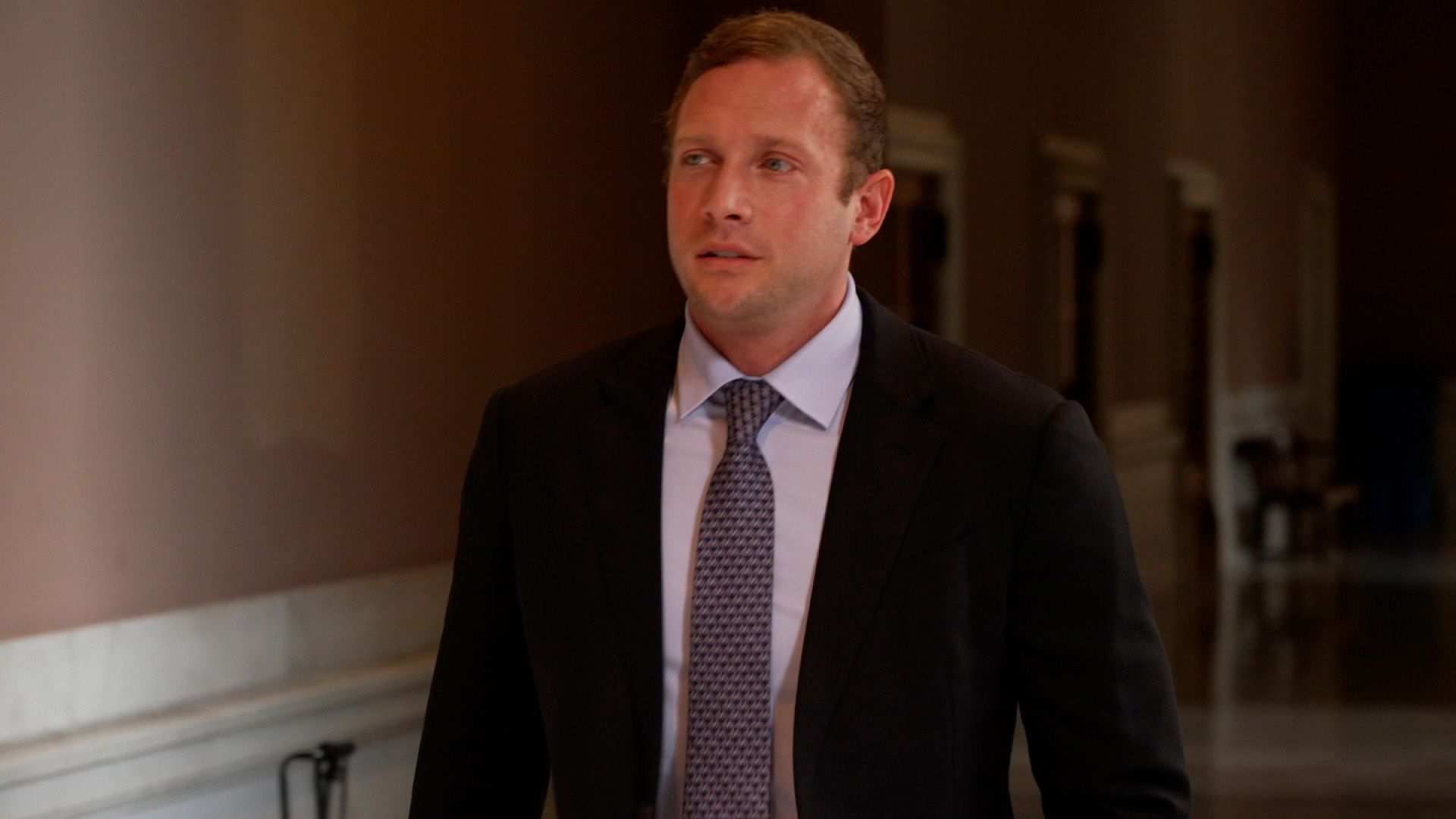
Former US archivists warn that Trump’s effort to ignore records law jeopardizes national security and government continuity

(CNN) — Former leaders of the National Archives — which preserves and protects the nation’s most important documents — are urging a federal appeals court to reject the Trump administration’s effort to ignore the Presidential Records Act, a decades old law that requires presidents save all official records from their time in office.Six archivists, who served under both Republican and Democratic presidents, argue that the law is critical in maintaining “continuity of governance” and protecting national security.The archivists — a coalition covering every living person to have previously held the role before Marco Rubio’s brief appointment to the position at the beginning of Trump’s second term — filed an amicus brief Wednesday in support of a lawsuit from presidential scholars, historians and public transparency groups.The legal fight began after the Trump administration said it believed the president did not need to comply with decades-old record-keeping obligations set by Congress in the aftermath of the Watergate scandal. The law, which Trump’s Justice Department has claimed is unconstitutional, is intended to preserve documents so that future presidents, members of Congress, courts and the public can understand how an administration made critical decisions.“Preserving presidential records ensures that new leaders can have immediate and ongoing access to the data, strategy, and rationale behind past policy decisions,” the group said, noting that, in their experience, the most “frequent request for preserved presidential records comes from the incoming president’s national security advisors.”The archivists signed on to the brief are Trudy Huskamp Peterson, John W. Carlin, David S. Ferriero, Debra Steidel Wall, Colleen Shogan and William J. Bosanko — as well as Gary M. Stern, a former agency general counsel.The plea from the former archivists comes months after a federal judge in Washington said that White House staff must preserve their official records while the lawsuit plays out in court but declined to put any restrictions directly on the president, the vice president, the National Archives and archivist.In the May ruling, US District Judge John Bates concluded that the Presidential Records Act (PRA) was likely constitutional, rebuking the stance taken by the Justice Department earlier this year. The Justice Department has appealed the ruling to the US DC Circuit Court of Appeals. Oral arguments are slated for October 16.The PRA requires presidents and their staff to preserve White House records and turn those records over to the National Archives at the end of their administrations.It was instrumental in the chain of events that led to Trump’s prosecution for allegedly mishandling classified documents that he took from the White House at the end of his first term.The legal fight stems from a conclusion from Trump’s Office of Legal Counsel, a Justice Department office that gives advice to the executive branch, that the law was unconstitutional. The OLC memo was seen as an audacious move for a number of reasons, including for how it seemed to eschew Supreme Court precedent backing Congress’ power to regulate presidential record preservation. The guidance only addressed the preservation of email and text messages, rather than all electronic records, which the PRA covers.The American Historical Association and the left-leaning government transparency group American Oversight quickly filed a lawsuit, warning that presidential records they intend to use for their research “will be irretrievably lost” if the court didn’t intervene.The former archivists say the PRA “helps to bridge the gap between the outgoing and incoming administrations.”“Geopolitical tensions do not pause for an inauguration,” they wrote in the court filing. “Presidential records include the entire holdings of the National Security Council… such as sensitive intelligence assessments, treaty negotiations, and operational contingency plans. Ensuring that these files are preserved and seamlessly made available to new administration officials allows incoming national security advisors and cabinet officials to evaluate active threats, maintain diplomatic momentum, and make informed decisions during unexpected global crises.”The administration has rebuffed concerns, insisting that the “lion’s share” of presidential records are being preserved, because work being done by presidential staff on White House-issued phones is being kept.CNN’s Tierney Sneed contributed to this report.The-CNN-Wire™ & © 2026 Cable News Network, Inc., a Warner Bros. Discovery Company. All rights reserved.
Read Next Story