Avoiding a potential killer this winter: carbon monoxide poisoning

Related News

The extreme cold weather and the threat of power outages may have folks turning to space heaters or alternative forms of heat. But that can carry a risk that can cause severe sickness and even death.

The danger is carbon monoxide, or CO — a colorless, odorless gas.

“It’s called the ‘silent killer,’ mostly because it is somewhat insidious,” said Dr. Chloe McCoy, an emergency room physician with MedStar Health. “A lot of the symptoms are nonspecific and may feel like flu-like symptoms.”

Using space heaters, gas furnaces, fireplaces and portable generators that don’t have proper ventilation can put CO into your home.

Advanced cases can leave someone feeling confused and disoriented, and it can even cause them to pass out. If you start feeling symptoms like that, and you’re using a generator or alterative heat source, turn it off if possible.

Then, McCoy said, “You need to get out of the house.”

“Getting exposed to fresh air is the first priority, and then the second priority is to call 911 and have emergency services address the issue,” she said.
Tools to fight hantavirus show promise despite limited funding. Now researchers hope to continue

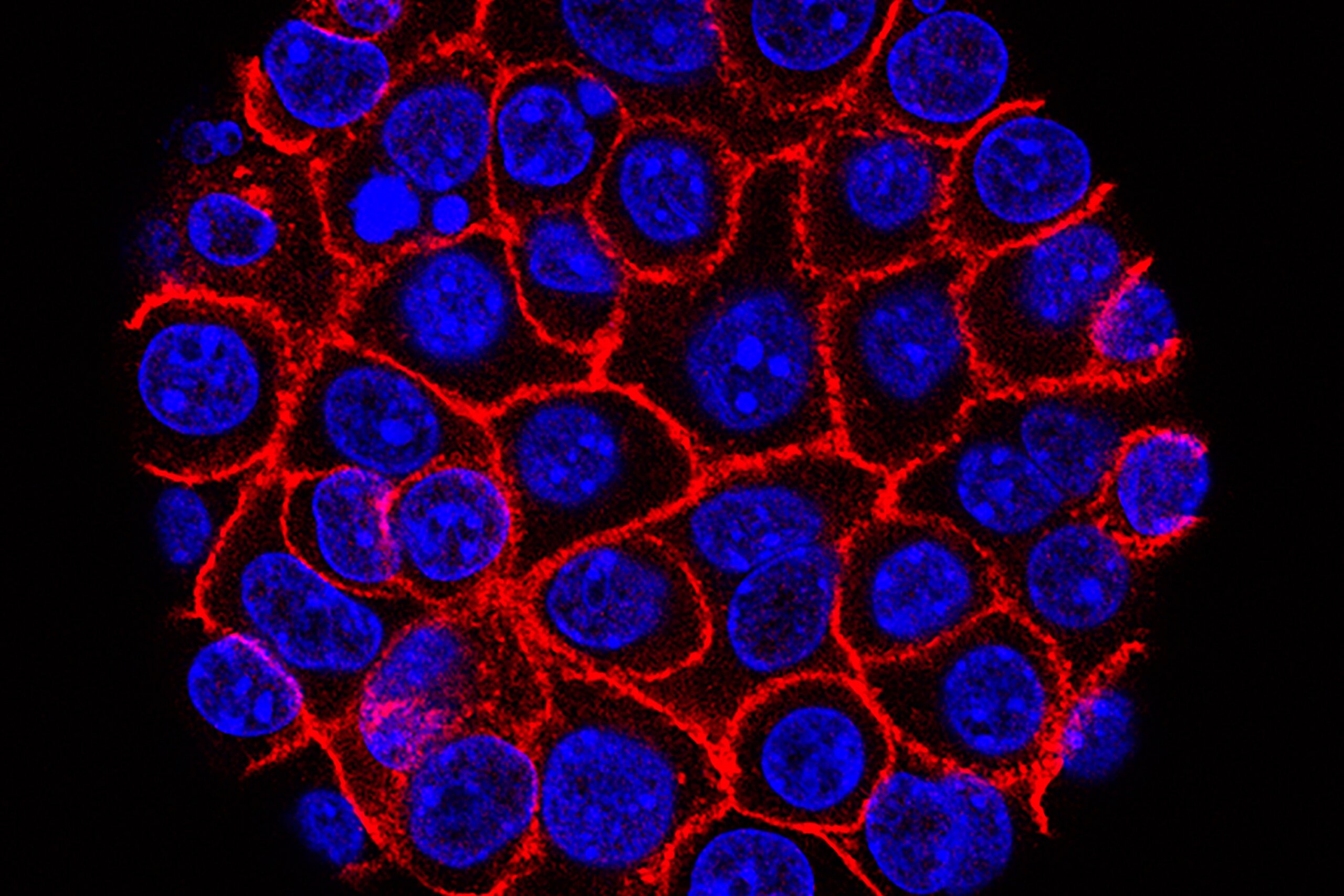
SANTIAGO, Chile (AP) — When a rare but deadly rodent-borne virus struck passengers on a cruise ship and seemed to be spreading, there were no treatments for those who fell ill and no vaccines to protect others. That was the case even though it wasn't a novel germ that the world had never seen before, like the virus that caused the coronavirus pandemic. It was a hantavirus, one of a family of viruses that have been known for decades and are thought to exist around the world. Teams of researchers, including in Chile, Argentina and the United States, have long been trying to find and develop drugs and vaccines. But because the viruses are relatively rare and don't spread easily between people, there hasn't been enough sustained investment by governments, global health groups, or drug companies to pay for the extensive safety and efficacy testing needed to make them available. Still, there have been some promising developments. Researchers on Wednesday published a hint that a drug used for an autoimmune disease may help hantavirus patients fight off the most deadly symptoms.
Read Next Story