HAVANA (AP) — An impromptu sit-in protest at the steps of Havana University on Monday drew a small group of students concerned about their education amid an energy crisis worsened by a U.S. oil blockade of the island, which has reduced classes and is paralyzing the country.
Power outages and transportation shutdowns have forced the university to reduce the number of classes or hold them online, though many students are also struggling with slow and unreliable internet.
“We aren’t martyrs for any side; we are university students. So, none of us intended to be here, but there has been no other way,” said one of protesters, who didn’t want to be identified by name due to fear of government reprisals.
The First Deputy Minister of Higher Education, Modesto Ricardo Gómez, stepped out to speak to the students. He acknowledged the financial difficulties affecting higher education, and said they have been made worse by the current standoff with the Trump administration.
“Today we have been tremendously affected by the criminal and genocidal blockade of the United States government, which, without a thought for the people or our youth, is truly massacring an entire society,” Gomez said.
On the main streets of Havana, many people had to walk to work or go shopping Monday. Gasoline is rationed to 20 liters per car, and getting a fill-up involves an elaborate appointment process that can take weeks.
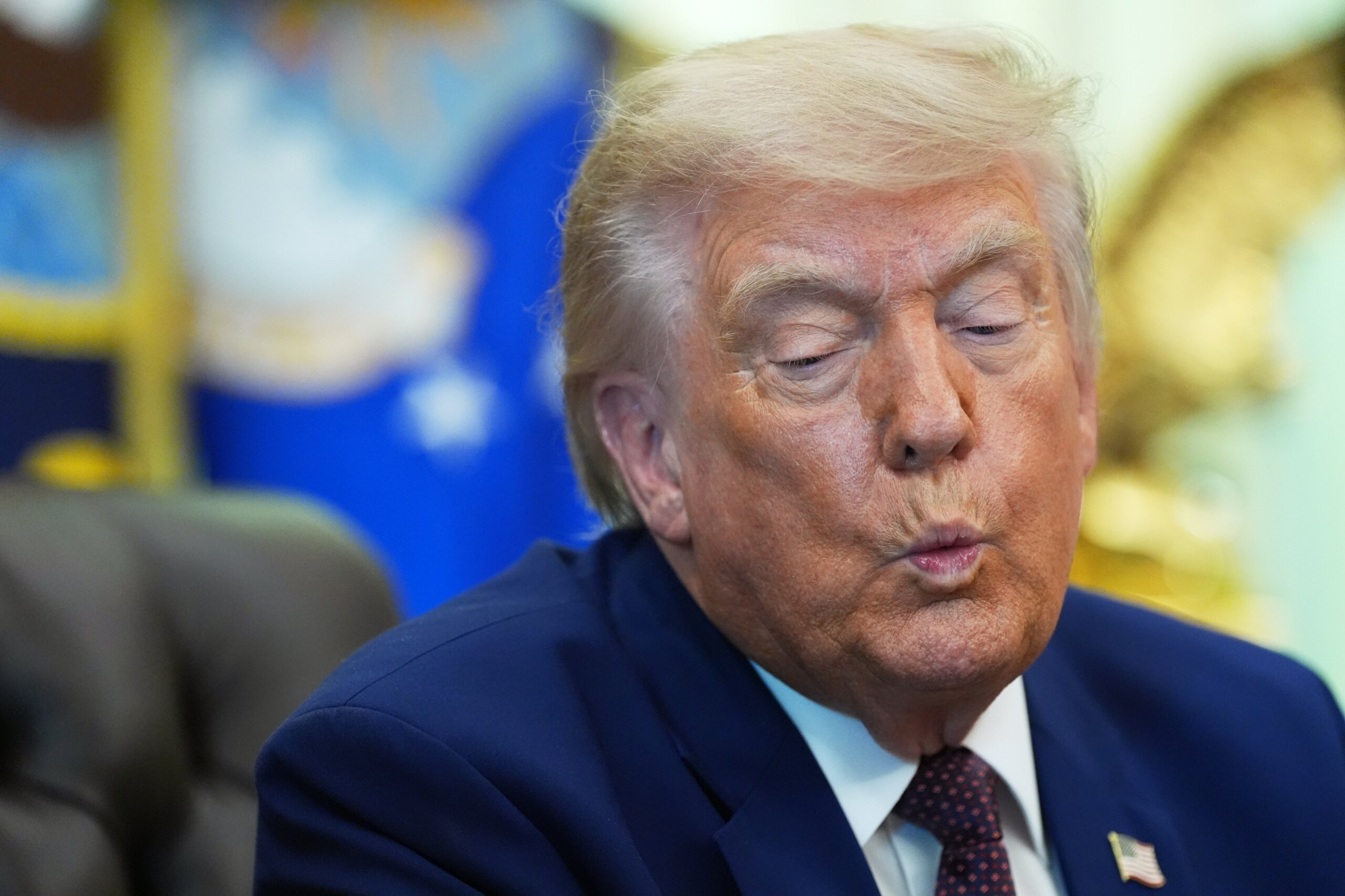
During a summit in Florida with conservative Latin American and Caribbean leaders Saturday, U.S. President Donald Trump said the U.S. will turn its attention to Cuba after the war with Iran and suggested his administration would cut a deal with Havana underscoring Washington’s increasingly aggressive stance against the island’s communist leadership.
“Great change will soon be coming to Cuba,” Trump said at the summit.
Cuban President Miguel Díaz-Canel on Saturday described the summit as “small, reactionary and neocolonial.”
Trump also said there are high-level talks happening between Cuba and the U.S. government.
The Cuban government hasn’t confirmed that meetings are happening.
The gathering in Florida, which the White House called the “Shield of the Americas” summit, came just two months after Trump ordered an audacious U.S. military operation to capture Venezuela’s then-president, Nicolás Maduro, ending Venezuela’s shipment of oil to Cuba.
Following the capture of Maduro, Trump signed an executive order that would impose a tariff on any goods from countries that sell or provide oil to Cuba, a move that further crippled the island plagued by a deepening energy crisis.
Since then, no oil shipment has arrived in Cuba, which only produces one-third of its own energy needs.
___
Follow AP’s Latin America coverage at https://apnews.com/hub/latin-america