Felix Rosenqvist collects a record $4.34 million from highest purse in Indianapolis 500 history

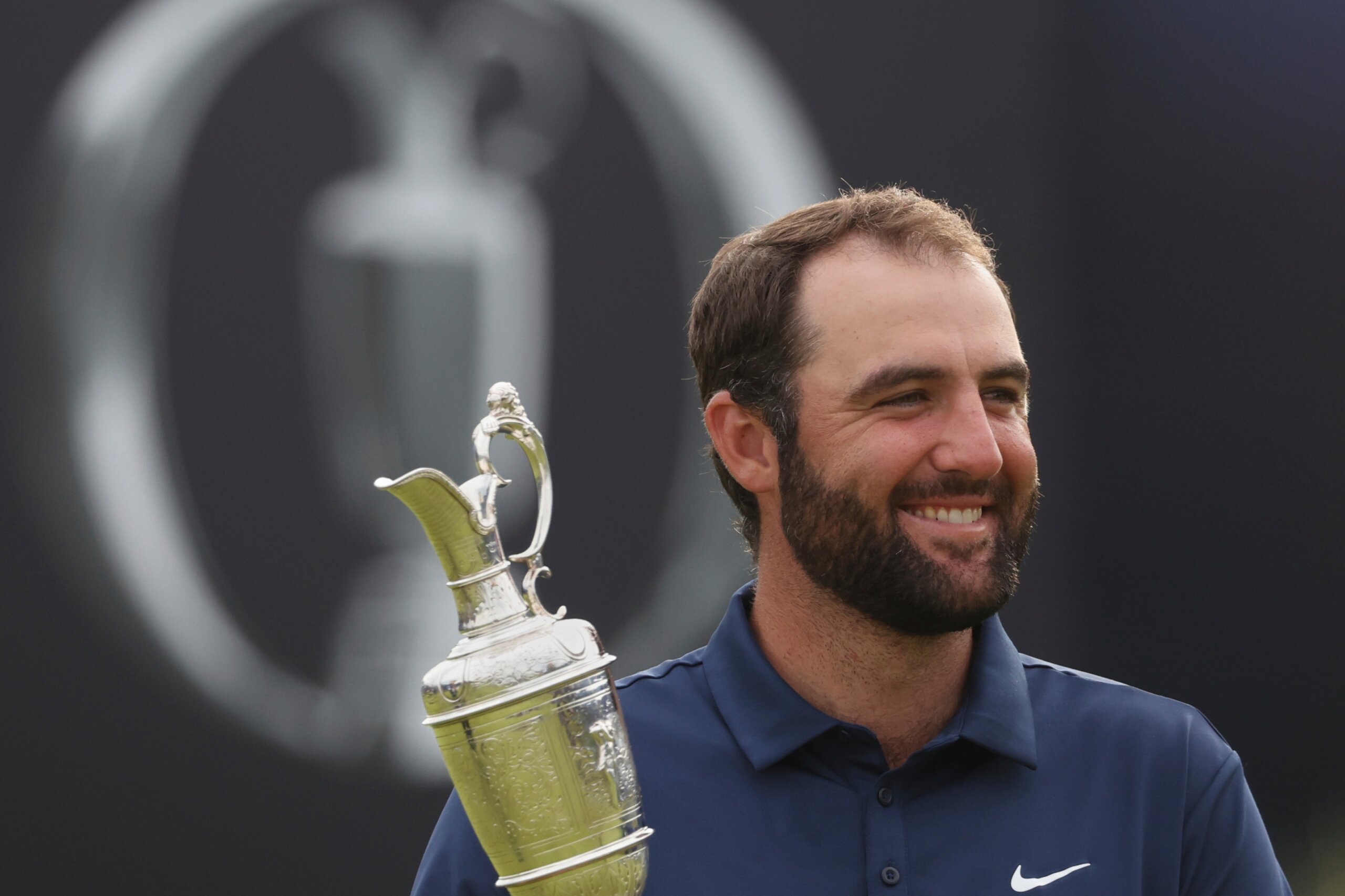
INDIANAPOLIS (AP) — Swedish driver Felix Rosenqvist earned a record $4.34 million payout after winning his first Indianapolis 500 on Sunday — topping Alex Palou’s total from last year by more than $500,000.

The total purse, $30,906,400, was also a race record, organizers announced before Monday night’s formal victory celebration dinner in downtown Indianapolis. That’s a nearly $11 million increase over last year’s previous all-time high.

Rosenqvist made a daring, perfectly timed pass on the outside of David Malukas in the closing yards, beating Malukas across the yard of bricks by 0.0233 seconds in the closest finish in race history. The previous mark came in 1992 when Al Unser Jr. beat Scott Goodyear by 0.043 seconds.

Malukas finished second for a second straight year on the Brickyard’s 2.5-mile oval.

“The Indianapolis 500 continues to make history, in more ways than one,” track president Doug Boles said in a statement. “The month of May featured a back-to-back grandstand sellout crowd — our largest crowd since the 100th Running in 2016 — and intense on track action with the most lead changes ever in the Indy 500. Felix Rosenqvist added his name to the history books in stellar fashion, with the closest finish in Indy 500 history and now the largest purse. There’s no better end to a memorable month.”

The average payout nearly doubled, hitting $936,500 compared with last year’s record of $596,500.

Mick Schumacher collected a $50,000 bonus for being named the race’s Rookie of the Year. The son of seven-time world champion Michael Schumacher pocketed $218,800.

___

AP auto racing: https://apnews.com/hub/auto-racing
NYPD says dozens rescued from human trafficking during World Cup

▶ Watch Video: Inside look at security preparations for World Cup Forty-three people, including seven minors, were rescued from human traffickers during the World Cup matches in the New York City area, according to the New York City Police Department's Special Victims Unit.The rescue operations were carried out between June 11 and July 19 by specialized NYPD detectives who arrested 89 individuals."The surprise was really the outpouring of support behind the mission and the collaboration with all our partners," said Inspector Gary Marcus, commanding officer of the Special Victims Unit.Those rescued, largely the victims of sex trafficking, are now being supported with an array of social services for the victims, including food, housing and counseling.The 87 operations carried out during the World Cup have generated new leads, officials said, and law enforcement agencies are building more cases based on the investigations already underway."We have ongoing investigations now as a result of these operations," an NYPD official told CBS News.Major sporting events are known to law enforcement as hotbeds of human trafficking.Years in advance, the NYPD devoted significant resources to preparing for the World Cup. Eight matches were played at New Jersey's MetLife Stadium, including the final on Sunday."When we talk about the outreach and the prep we do, a large part of that involved visiting the known sex offenders, particularly the known human traffickers, in our registry," Marcus said. "Whether they're on parole or probation for human trafficking, we visited them to make sure they're compliant with the terms of their release, and secondly, to let them know that the NYPD is watching."The matches were held in multiple cities around the U.S., Mexico and Canada. Preparations to secure those games and prepare for crimes like human trafficking were coordinated between local, state and federal law enforcement agencies.Police departments in many locations that hosted World Cup matches have made arrests and rescues connected to human trafficking, including in Georgia, New England and Missouri. Nationally, there were more than 673 arrests on human-trafficking charges made during the World Cup, and 61 adults and 13 minors rescued, according to the U.S. Department of Homeland Security.
Read Next Story