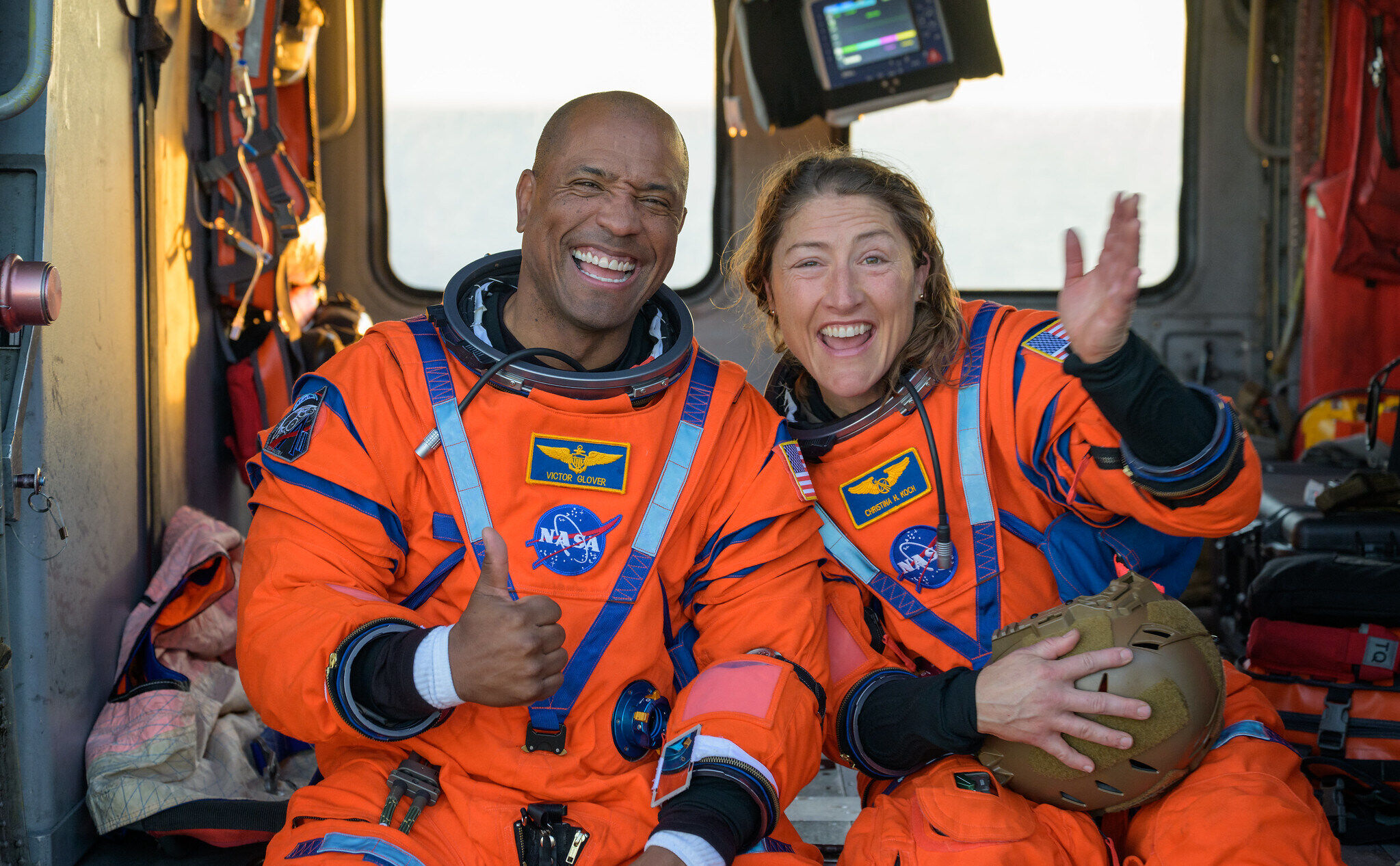
‘It paused all four of us in our tracks’: What Artemis II crew saw as they blasted off toward moon

The four Artemis II astronauts looked cozy in their cramped spacecraft when they gave an update Thursday on what they’re up to during their historic mission to the moon.

Cmdr. Reid Wiseman described a moment when the spacecraft was reoriented as the sun was setting behind Earth.

“I don’t know what we all expected to see in that moment, but you can see the entire globe from pole to pole. You can see Africa, Europe and if you looked really close, you could see the northern lights. It was the most spectacular moment and it paused all four of us in our tracks,” he said.

Mission Specialist Christina Koch recalled a potentially serious problem that she was able to fix.

“I’m proud of to call myself the space plumber,” Koch said after repairing the space-commode. “I like to say that it is probably the most important piece of equipment on board. So we were all breathing a sigh of relief when it turned out to be just fine.”

Watch their out-of-this-world interview below:

Artemis astronauts give status update on their way to the moon

WTOP’s Abigail Constantino contributed to this report. 
Faint new planet is revealed around a young star after a decade in hiding

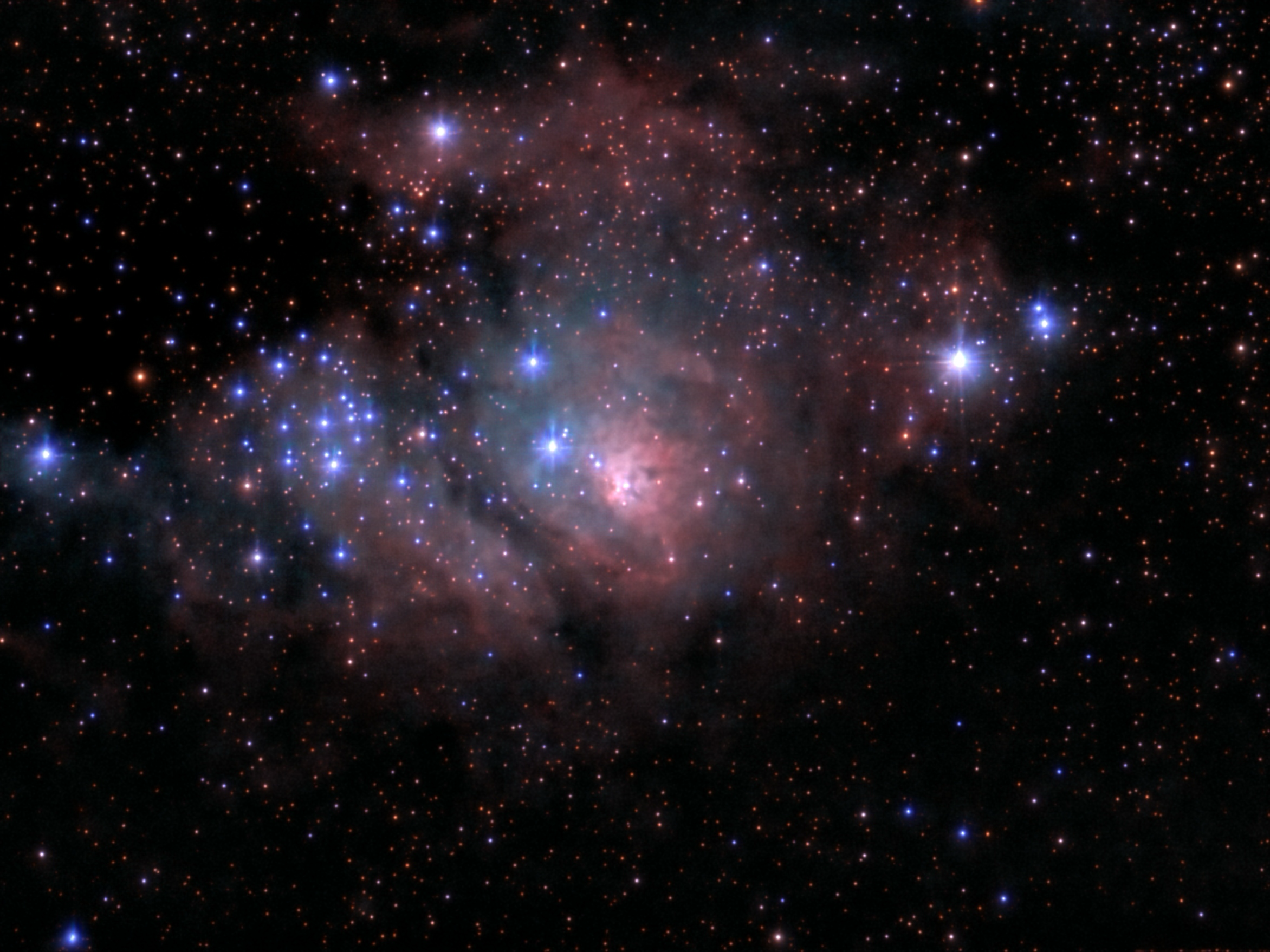
CAPE CANAVERAL, Fla. (AP) — Astronomers have discovered a faint, elusive planet orbiting a young star after more than a decade of cosmic hide-and-seek. In an unusual twist, two groups working independently detected the cold gas giant a few days apart late last year using different telescopes. It's the dimmest planet ever directly imaged from Earth, scientists reported Wednesday. A Scottish and German-led team spied the new planet around the star Beta Pictoris using the European Southern Observatory’s Very Large Telescope in Chile, then dug through archives to confirm its orbit. The planet had remained hidden in the data all this time, overshadowed by its considerably brighter star and two companion planets. “It was very much playing hide-and-seek for 11 years,” said the European Southern Observatory’s Markus Bonse, co-leader of the first team.
Read Next Story