
2 New Jersey municipal water systems targeted in cyberattacks

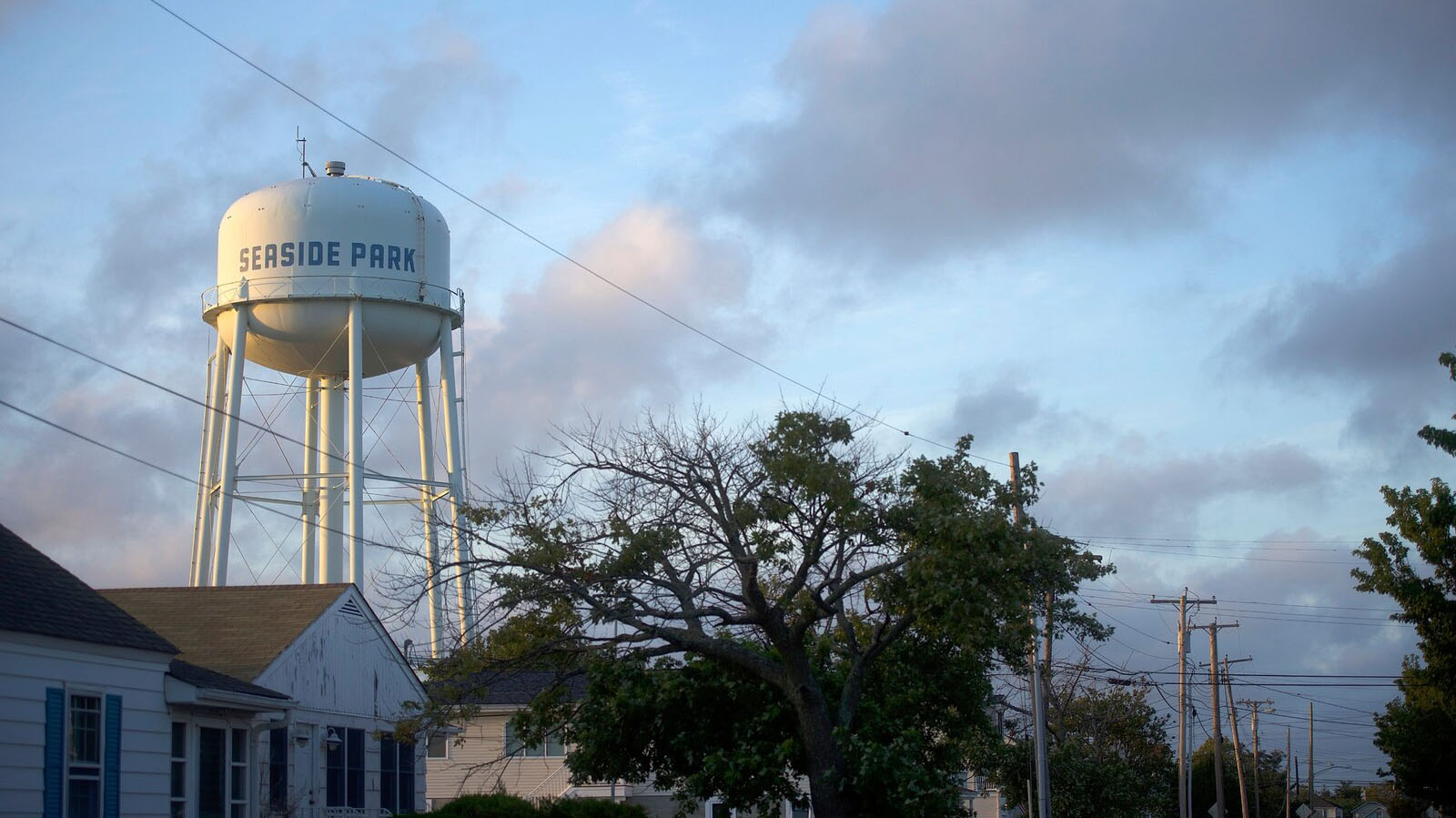
A water tower is illuminated at dusk, Sept. 17, 2016, in Seaside Park, New Jersey. (Mark Makela/Getty Images)

(NEW YORK) — Two municipal water systems in New Jersey were targeted in cyberattacks in the last week, widely thought to be the work of Iran, the state said Wednesday.

The affected utilities, which were not named, were temporarily blinded when automated systems went down. Both utilities shifted to manual operations and the state said there was no disruption to service and both systems have been “secured with strengthened access controls.”

“Our New Jersey Cybersecurity and Communications Integration Cell (NJCCIC) responded to two cyber incidents affecting New Jersey municipal water systems this past week. The NJCCIC is working directly with the affected utilities alongside our federal partners at the FBI and the Cybersecurity and Infrastructure Security Agency,” the state said Wednesday.

“The investigations found that the incidents involved vulnerable internet-exposed control systems, which temporarily limited operators’ ability to monitor or manage them remotely. In both cases, staff shifted quickly to manual operations, and there was no disruption to service. Customers had uninterrupted access to safe drinking water throughout,” the state said.

Sources told ABC News that Iran remains the prime suspect, perhaps showing how it could retaliate as President Donald Trump threatens to escalate the war. 

Officials are also assessing whether this could be the work of a different state actor mimicking Iran’s tactics in a possible attempt to influence what the U.S. does next.

In Georgia, the Clayton County Water Authority briefly issued a boil-water advisory when it was targeted by hackers. Columbus Water Works said it also detected an intrusion, but drinking water was unaffected.

The recent hacks, affecting water and wastewater utilities in at least a dozen states, exploited a vulnerability in widely used utility software, sources told ABC News.

A fix has been issued, but utilities across the country that run the same software are racing to see if they were also hacked.

So far, it appears nobody has become sick, and there have been no widespread disruptions to water supplies. However, officials are still working to understand the scope of the hack and what could have happened to systems Americans depend on every day.

Copyright © 2026, ABC Audio. All rights reserved.

How one Davis lab is trying to stop California’s golden mussel invasion

Click here for updates on this story    DAVIS, California (KOVR) -- The first known detection of the invasive golden mussel in all of North America happened in California.This invasive species has prompted states of emergency, both in San Joaquin County, where they were found at the Port of Stockton, and in Yolo County, where they were found to have spread to the Port of West Sacramento. It's posing a huge threat to Sacramento-San Joaquin Delta waterways.It's threatening billions of dollars in losses for farmers and could choke California's water supply. Working to help stop it is the Davis-based Invasive Species Corporation, which is stepping up with a possible solution. Research scientist Brady Hirschfeld studies how to stop the rapid golden mussel invasion."It's really rewarding to be on this side of things," Hirschfeld said. "I'm really proud to be part of the solution to kill golden mussels."The patent-protected product being tested is zequanox, created first to kill other invasive zebra and quagga mussels. Now, it's being redeveloped and retested to root out the goldens, which are notoriously resilient and hard to kill.Also trying to slow down the spread is Pam Marrone."These mussels are ranked the top five worst invasive species on the planet, causing many billions of dollars of damage," Marrone said. "So we're really tackling a big problem. We're excited we can do that."She is working to get zequanox approved for full use in golden mussels."We're alone. In fact, we're the only company, I think, in the world that's actually tackling invasive species in water," Marrone said.How it works In the lab, the mussels are exposed to zequanox, where Marrone says, "they'll eat it, it'll slowly take effect and they'll die."Marrone noted that zequanox is biodegradable, with no impact on surrounding creatures and habitat."It doesn't harm fish or the native mollusks or anything, anything else," he said.The test subjects were collected in Stockton, and a local marina there will be the first site to test zequanox on golden mussels in the wild this fall.The city's port is ground zero for the delta invasion."Eradication is, in my opinion, unthinkable. They're here to stay," said San Joaquin County Supervisor Mario Gardea. "It's about mitigation."Gardea sits on a board committee to tackle golden mussels and said the response requires local, state and federal action."Anything that touches our delta, anything that has to do with water is going to be affected," he said.Golden mussels can eradicate fish populations and erode delta habitats, and California farmers could lose their water.Marrone said the impact on community members could mean water flows being stopped due to infestations.Next steps involve getting zequanox approved for use in golden mussels through the California Environmental Protection Agency and hoping to get this rolled out in local waterways next year, possibly sooner, if California approves an emergency use.Please note: This story was provided to CNN Wire by an affiliate and does not contain original CNN reporting. This content carries a strict local market embargo. If you share the same market as the contributor of this article, you may not use it on any platform.
Read Next Story