(NEW YORK) — U.S. Treasury yields soared in recent days as the Iran war stoked inflation fears, threatening to drive up borrowing costs for everything from mortgages to credit cards to auto loans.
The yields on 30-year bonds – the amount paid to a bondholder annually – touched their highest point since 2007. Ten-year Treasury yields peaked at about 4.69% on Tuesday, marking a roughly three-quarter percentage point jump from the start of the war on Feb. 28.
The yield on 10-year Treasuries retreated on Wednesday, registering at 4.58%. Still, yields exceed the level reached during a bond selloff in the aftermath of President Donald Trump’s “Liberation Day” tariffs in April 2025.
Since bonds pay a given investor a fixed amount each year, the specter of inflation risks higher consumer prices that would eat away at those annual payouts. In this case, a global oil shock has pushed up energy prices which in turn has trickled into other costs, such as groceries.
As a result, bonds have become less attractive. When demand falls, bond yields rise.
“It’s really all about the Iran war and its inflationary impact,” Ted Rossman, a senior industry analyst at Bankrate, told ABC News.
High bond yields make borrowing more expensive for average Americans because Treasury rates influence the rates offered by lenders.
Long-term Treasury yields help set interest payments for mortgages, credit cards, car loans and just about any other type of borrowing, Patrice Carrington, a professor of real estate at New York University, told ABC News.
The reason for the rise in borrowing costs is that regulated lenders are required to hold reserve assets, often made up in part by U.S. Treasuries, Carrington added. When Treasury yields rise, it raises the costs incurred by banks holding Treasuries on their books. Lenders, in turn, offset those added expenses with higher borrowing costs.
“The bank will pass along that higher cost of capital to any consumer loan,” Carrington said.
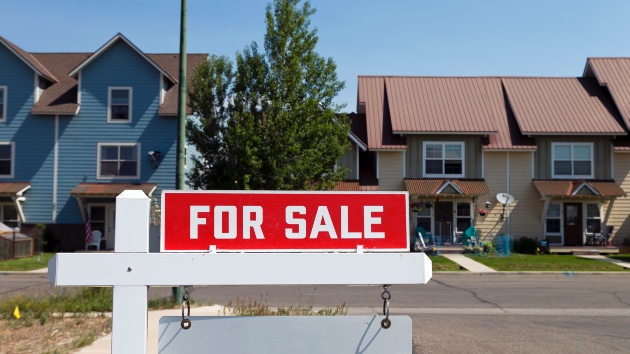
The onset of this pain for consumers is exemplified by the housing market, where the average interest rate for a 30-year fixed mortgage stands at 6.72% as of Monday, Mortgage News Daily data showed. Mortgage rates have climbed three-quarters of a percentage point from pre-war levels.
“That’s a really big jump,” Rossman said.
Each percentage-point rise in a mortgage rate can impose thousands or tens of thousands of dollars in additional costs each year, depending on the price of the house, according to Rocket Mortgage.
Credit card rates, by contrast, have remained flat over the course of the Iran war, though at heightened levels, Rossman said.
The average credit card interest rate stands at 19.57%, just slightly below where it stood before the war began, Bankrate data showed. At the start of 2026, futures markets expected the Fed to likely cut interest rates at least once by the end of the year, which would put downward pressure on credit card rates.
As the Fed weathers a renewed bout of inflation, however, markets estimate about a 50% chance of interest rates remaining unchanged over the course of the year and a 37% chance of a rate hike, according to the CME FedWatch Tool, a measure of market sentiment. Markets peg the odds of a rate cut this year at less than 2%.
As a result, credit card rates “are staying higher for longer” than many observers anticipated, Rossman said.
Analysts differed in their recommendations for consumers weighing whether to move forward now with securing a loan or wait for a potential decline in interest rates.
Liu Lu, a professor at the Wharton School at the University of Pennsylvania, said mortgage rates are unlikely to decline substantially in the near-term, meaning borrowers who can afford a loan at current rates may as well take the plunge.
“I wouldn’t bet on trying to catch the opportune moment,” Lu told ABC News.
Carrington, on the other hand, counseled patience for loan seekers.
Eventually, the economy will falter and the Fed will cut interest rates, pushing down borrowing costs, according to Carrington.
“We’re long overdue for a downturn,” Carrington said. “I absolutely think borrowers should wait.”
In the meantime, the impact of elevated bond yields on consumers isn’t entirely negative. The trend means better returns for investors who place their money into financial instruments such as money market funds or high-interest savings accounts, which are historically safer investments than the stock market.
Copyright © 2026, ABC Audio. All rights reserved.