(NEW YORK) — A Legionnaires’ disease cluster in New York City is growing, with 36 cases now confirmed, according to health officials.
As of Wednesday, there have been at least 22 hospitalizations and no deaths, according to the New York City Department of Health (NYC Health).
The cluster has affected the Upper East Side neighborhoods of Carnegie Hill and Yorkville, the department said.
In an earlier notice to the two neighborhoods, NYC Health said it believes the likely source of the bacteria is a cooling tower in the area, which sprays a mist that contains the bacteria. All area cooling towers were being tested for the bacteria, NYC Health said then.
There is no issue with any building’s plumbing system and residents in the affected areas can continue to drink tap water, bathe, shower, cook and use their air conditioners, NYC Health further said in the notice.
On Tuesday, New York Mayor Zohran Mamdani said his administration was implementing measures to publicly identify the specific buildings suspected as being sources of Legionella bacteria and require owners to clean cooling towers quickly.
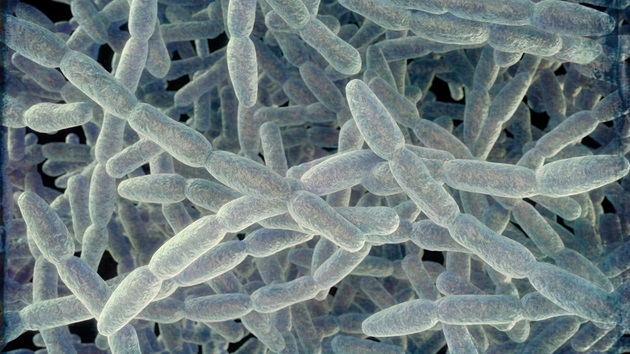
Legionnaires’ disease is a severe form of pneumonia caused by inhaling the Legionella bacteria in small droplets of water mixed in the air or by contaminated water otherwise entering the lungs.
The bacteria are found naturally in fresh water but in amounts that generally don’t lead to disease. The bacteria typically grow best in warm water and in warm to hot temperatures, according to the Centers for Disease Control and Prevention (CDC).
The disease does not generally spread from person to person but infections can occur if the bacteria get into a building’s water supply, including in shower heads, sink faucets, hot water tanks, heaters, cooling towers and other plumbing systems.
Legionnaires’ disease has increased in prevalence over the last decade, reaching a peak in the U.S. of 2.71 cases per 100,000 in 2018, the CDC said. Cases declined during the first year of the COVID-19 pandemic and then rebounded in 2021.
Although most people recover from Legionnaires’ disease with antibiotics, certain patients – including those who are immunocompromised or who suffer from chronic lung diseases – can develop complications that can be fatal.
About one out of every 10 people who develop Legionnaires’ disease will die due to complications, according to the CDC. Among those who develop Legionnaires’ disease at a healthcare facility, about one of every four people will die, the CDC says.
Copyright © 2026, ABC Audio. All rights reserved.