WASHINGTON (AP) — Supreme Court Chief Justice John Roberts warned Tuesday that personal criticism of federal judges is dangerous and “it’s got to stop,” two days after President Donald Trump called a federal judge who ruled against the administration “wacky, nasty, crooked and totally out of control.”
As he has done before, Roberts was careful not to single out Trump or anyone else, insisting that the attacks on judges are not from “just any one political perspective.”
Criticism of judicial opinions “comes with the territory” and can be healthy, Roberts said in remarks at Rice University’s Baker Institute for Public Policy in Houston.
But it’s different when the criticism moves away from legal analysis. “Personally directed hostility is dangerous and it’s got to stop,” Roberts said.
U.S. District Judge Lee Rosenthal, who shared the stage with the chief justice, thanked Roberts because “we always know that you have our backs and that means a great deal.”
The U.S. Marshals Service, responsible for protecting judges, reported 564 threats in the government fiscal year that ended in September, up from the year before. Roberts acknowledged the “serious threats” by noting Congress has responded by increasing funding for judges’ security.
Trump’s most recent comments about judges came Sunday in a post on his Truth Social following a ruling by U.S. District Judge James Boasberg quashing subpoenas the Justice Department had issued to the Federal Reserve.
Boasberg, Trump wrote, is “a Wacky, Nasty, Crooked, and totally Out of Control Judge” who “suffers from the highest level of Trump Derangement Syndrome (TDS), and has been ‘after’ my people, and me, for years.”
Last year, Roberts publicly rejected Trump’s call for Boasberg’s impeachment when the judge blocked additional deportations to a notorious prison in El Salvador.
The president also has been highly critical of Roberts and the five other justices who struck down global tariffs he imposed under an emergency powers law. Trump said he was “absolutely ashamed” of the members of the court who ruled against him, questioning their patriotism and singling out two of his own appointees, Justices Amy Coney Barrett and Neil Gorsuch.
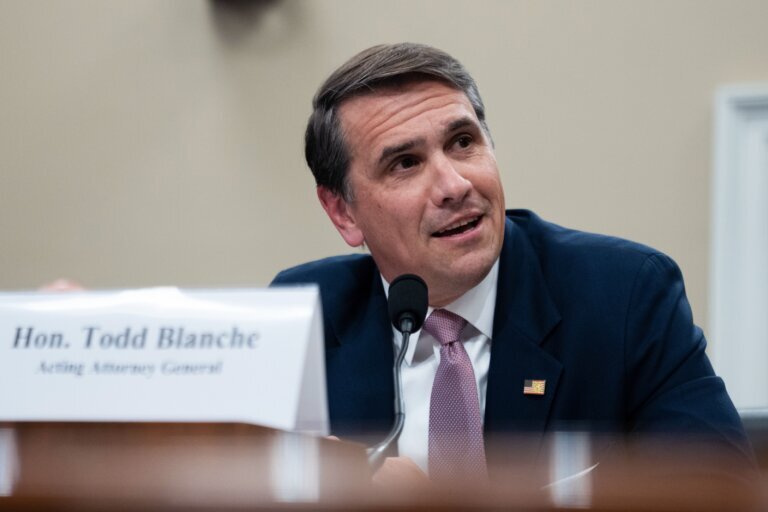
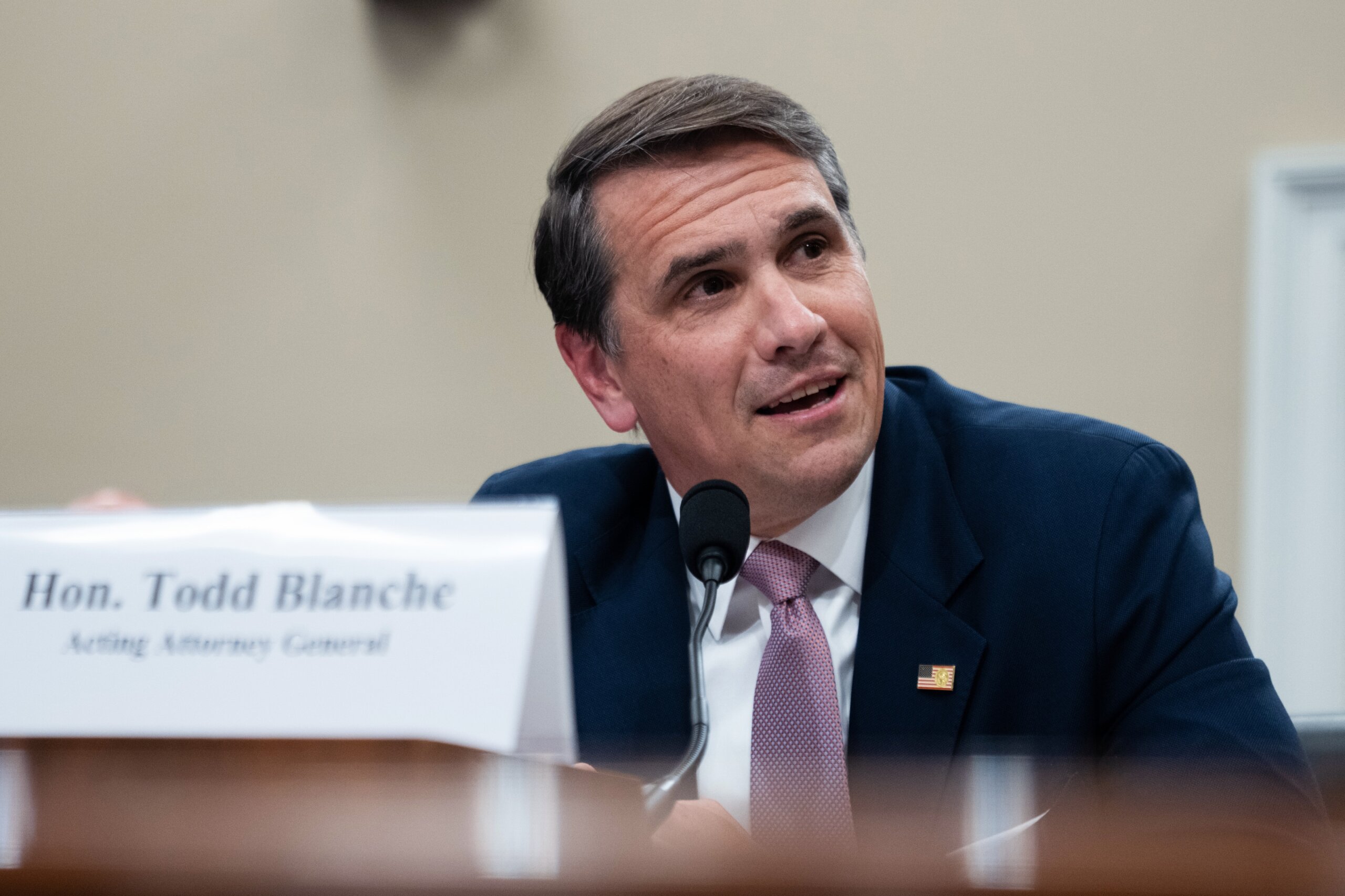
Trump’s allies and administration officials also have joined in the criticism. After U.S. District Judge Brian Murphy in Boston on Monday blocked the administration’s effort to reshape vaccines policy, Deputy Attorney General Todd Blanche noted that other rulings from Murphy had been upended.
“How many times can Judge Murphy get reversed in one year? The same day he is stayed for repeatedly refusing to follow the law, he issues another activist decision. We will keep appealing these lawless decisions, and we will keep winning. The question is, how much embarrassment can this Judge take?” Blanche posted on X.