VIENNA (AP) — The Assad-era government in Syria was constructing a nuclear reactor that was configured to produce fissile material for possible use in nuclear weapons, the head of the International Atomic Energy Agency said on Monday.
The “configuration” and the “technical features” of the nuclear reactor under construction in Syria during the leadership of ousted former President Bashar Assad were “very efficient in the production of fissile material that could be directly used for the fabrication of nuclear weapons,” IAEA director general Rafael Grossi said.
“Of course, that was never declared, that was always denied, so, and again, intentions cannot be judged, but that was a very serious proliferation concern that we had, and this has been difficult work,” he told reporters on the first day of a regular meeting of the IAEA Board of Governors, in Vienna.
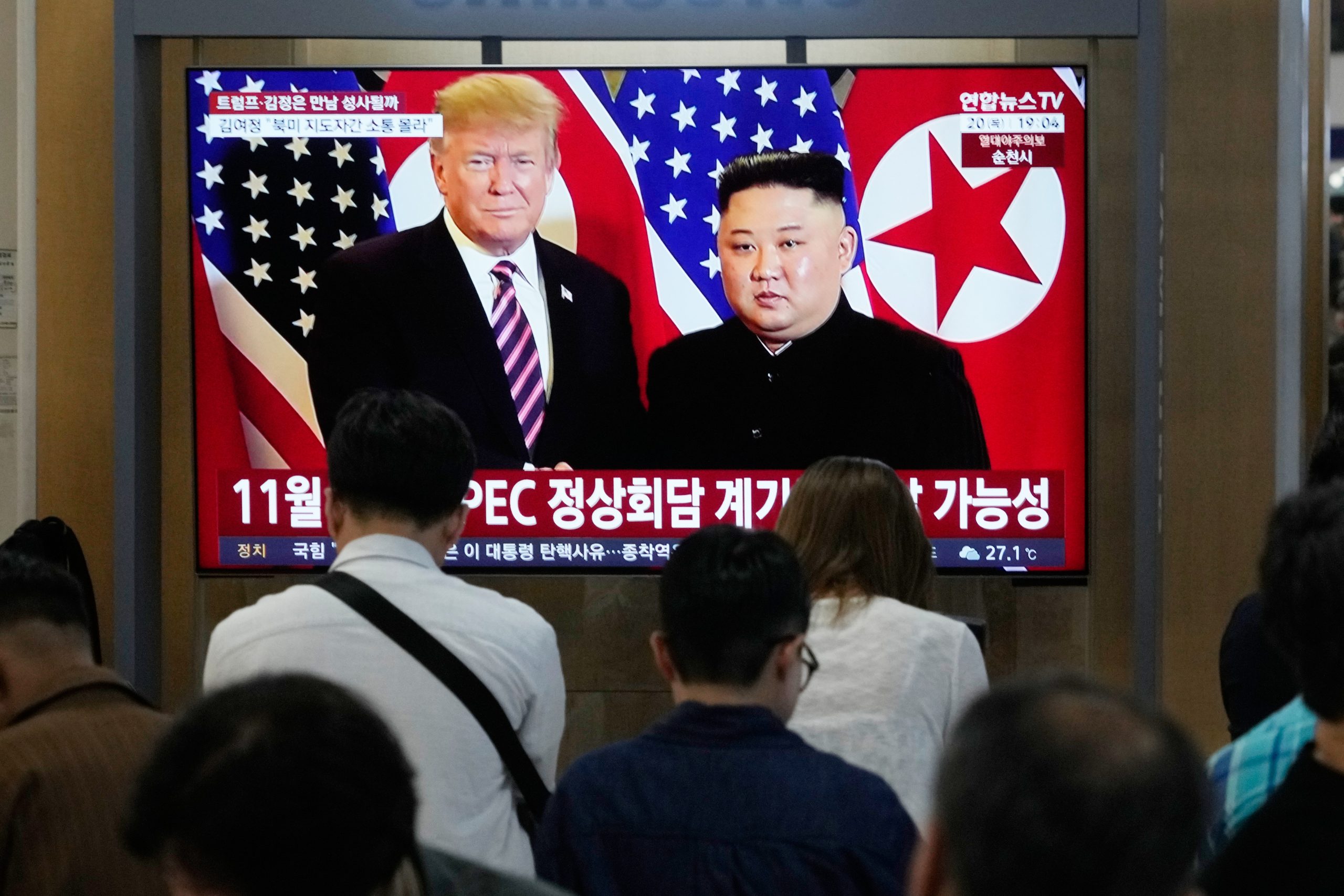
Syria was believed to have operated an extensive undeclared nuclear program under Assad that included a nuclear reactor built by North Korea in eastern Deir el-Zour province.
Following Assad’s ouster, the new government agreed to give IAEA inspectors access to suspected former nuclear sites.
During a visit to Syria in August, IAEA inspectors confirmed that “the cooling infrastructure which has now been uncovered is consistent with that of a nuclear reactor.” Grossi and a team of senior inspectors also visited a previously undeclared site in the country.
Inspectors had to ‘tear down walls’ to find hidden material
Syria notified the agency of the site’s existence in a July 17 letter and invited the IAEA “to cooperate with the Syrian authorities in the inspection and verification of the site and of any nuclear material to be potentially found.”
The IAEA said in its confidential report circulated to member states last Tuesday and seen by The Associated Press that this new site contained “natural uranium metal in the form of fuel rods with cladding.” The agency verified the material and confirmed “the presence of around 73 tonnes of natural uranium metal.”
Grossi said when the inspectors visited the site in August they had to “tear down walls” and go through “very difficult and narrow passages” to reach the nuclear material that had been hidden. The site had “boxes scattered all over the place,” he said.
Grossi said that “the important thing is that this material now is under safeguards” of the IAEA, adding that agency inspectors had managed to install cameras at the location.
Syria to decide what happens next
Asked if the nuclear material will remain in Syria or be removed, Grossi said that this is “a matter that the Syrian government will have to decide.” He added: “We are not requesting them to do this or to do that. For us what’s important is that we know all the time where this (material) is until the last gram.”
Logan Mintz, a director for nuclear materials security at the Washington-based Nuclear Threat Initiative, said that natural uranium metal is not directly usable for a nuclear weapon but it could be “diverted to a covert weapons program that further processes it into plutonium for a nuclear weapon.”
She said that once deemed safe to move, the material could be “transported in certified containers” to a third country that can “safely and securely disposition it into a more chemically stable and more widely used form” for possible use in nuclear power plants.
“As with any transport of nuclear material, this movement would require robust security from theft or sabotage,” she said.
—- The Associated Press receives financial support from multiple private foundations. AP is solely responsible for all content. Find AP’s standards for working with philanthropies, a list of supporters and funded coverage areas at AP.org.