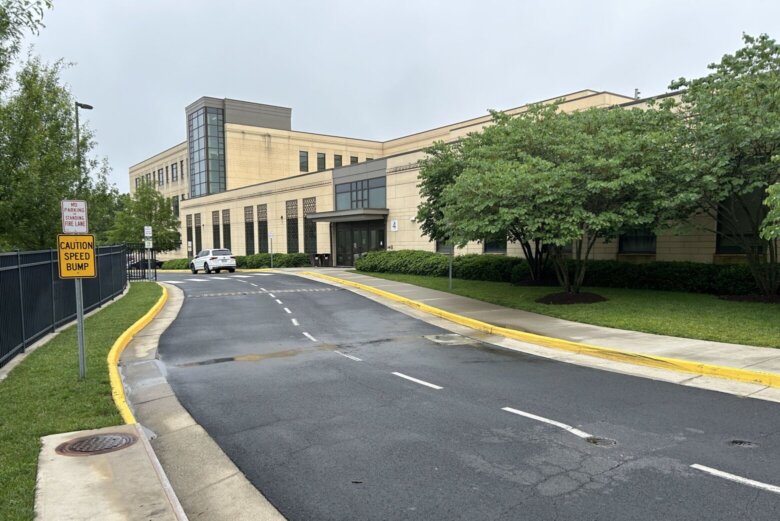
There are a number of rush-hour turn restrictions in Fairfax County to thwart GPS navigation apps like Waze that are routing drivers through neighborhoods, and more are planned.
At the same time, there’s an effort underway to provide residents with special cut-through permits. These permits would allow drivers to turn into their own neighborhoods during restricted hours.
Earlier this year, the Virginia General Assembly cleared the way for Fairfax to create a residential cut-through permit program.
“The residents are impacted … the same adverse way as the inconsiderate people who are cutting through their neighborhoods. They all have to go out of their way, including the residents. And so this is a beautiful way of solving that problem and creating equity for the people who live in neighborhoods that other people want to cut through,” said John Foust, the Dranesville District supervisor on the Fairfax County Board of Supervisors.
Currently Foust’s district has one cut-through restriction, and a second one is planned.
But in a meeting Tuesday, some supervisors on the Transportation Committee expressed skepticism over the proposed ordinance that would create cut-through permits.
“I have a lot of problems with the proposal,” said Supervisor Penny Gross of the Mason District, which currently has two rush-hour restrictions. “The program has worked beautifully … I don’t see anything broken here that needs to be fixed,” she said.
Some supervisors expressed concern that even if they carve out exceptions, the county will continue to be frustrated by GPS-enabled algorithms that will simply divert drivers through other neighborhoods.
“Frankly, things like Waze are going to continue to make this a problem, because this problem will move,” said Supervisor Jeff McKay, Lee District.
The cut-through permit program would provide permits to residents for all vehicles registered at the address. Active duty military, diplomats and full-time students would be also able to apply for a permit with proof of residency.
But some supervisors say it’s wrong that the proposed ordinance would not allow permits for visitors including caregivers, relatives, nonresident owners and service providers.
“What if you have a child care provider; what if you have elderly loved ones living with you and you have elder care?” asked Fairfax County’s Sharon Bulova. “These restrictions would probably cause a problem in the community,” Bulova said.
Supervisors also raised doubts about whether the cut-through permitting program could be properly enforced to the satisfaction of residents. Others raised alarm about the estimated $200,000 cost of creating the program.
There’s still time for both the supervisors and their constituents to weigh in: hearings are expected to be conducted in the spring of 2020.