WASHINGTON — Virginia’s governor announced Monday that he’s taking steps to correct the state’s teacher shortage.
Gov. Terry McAuliffe signed an executive directive and announced a series of budget actions to address the shortage, which he said “is literally in every city and county in Virginia, no question about it.”
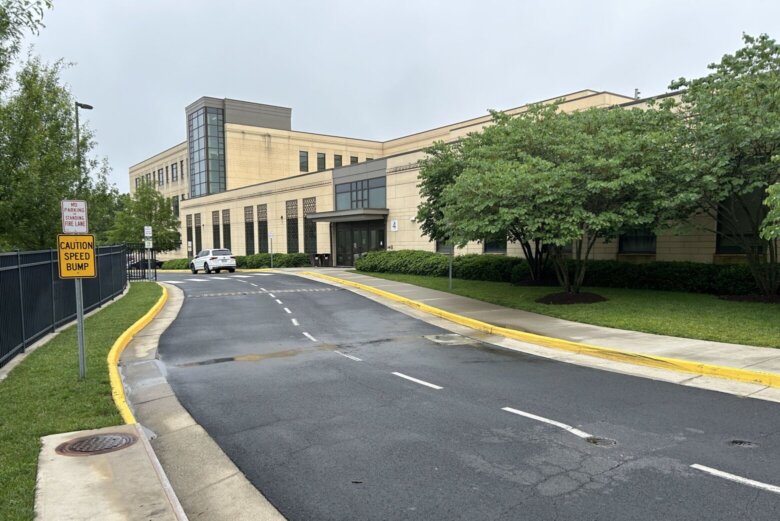
During a visit to Belvedere Elementary School, in Falls Church, McAuliffe said the commonwealth had a shortage of 1,000 teachers. “If you were in Petersburg schools last year, if you were a sixth-grader you did not have a math teacher for the entire year.”
The governor added that the teacher crisis goes beyond the classrooms and affects the workforce. He says, “We need teachers who can teach those courses where the jobs exist.”
The emergency regulations direct the State Board of Education to give colleges and universities in Virginia the option to offer an undergraduate teaching degree.
Currently in Virginia, it takes five years to become a qualified teacher through a master’s program. “Completing a five-year program burdens future teachers with additional debt and delays their entry into the work force,” McAuliffe said.
He added, “You will see in my budget we are making substantial changes to deal with the issue of teacher shortage which is so important.” Among the actions McAuliffe unveiled Monday:
- $1.1 million of new money over two years to fully automate the teacher licensing process;
- $1 million dollars over two years to recruit and retain principals in Virginia’s most challenging school districts;
- More money for the Tuition Assistance Grant program, to encourage students who are attending the state’s private colleges to enter into the teaching profession.
McAuliffe will release his full budget Monday, Dec 18.