A major transportation bill that’s rolling forward in Congress could make future Labor Day weekend road trips a bit smother, as well as your daily commute.
The Senate will resume work on the $287 billion bill in the coming weeks. The bill, co-sponsored by Sen. Ben Cardin (D-Md.), was passed unanimously by the Senate Committee on Environment and Public Works.
The measure would increase transportation spending by more than 25%. It would also provide wide-ranging funding to repair and maintain roads, as well as crumbling bridges.
“The needs are urgent,” Cardin said, praising lawmakers for their bipartisan support during a floor speech after the bill passed out of committee.
Sen. John Barrasso (R-Wyo.), who chairs the committee that passed the bill, has called it the “most substantial highway infrastructure legislation in history.”
Cardin said the legislation seeks to prepare the country’s transportation system for the long haul.
“It was important for us to give a clear signal that we intend for a long-term reauthorization — five years — so that there’s predictability,” he said. “So that our states and local governments know that these projects that require longer term planning, there will be a federal partner that’s available and reliable.”
Annual assessments have suggested that the country is woefully behind in the amount of funding dedicated to improving infrastructure. An American Society of Civil Engineers 2017 Infrastructure Report Card gave the country a D+ grade.
Cardin, who commutes from Baltimore to Washington, points out that an annual study has found traffic congestion costs U.S. drivers more than $300 billion a year. He said it’s important not only that roads and bridges are in good condition, but also that there are quality mass transit alternatives as well.
Another more recently released study, the 2019 Urban Mobility Report, found that the average D.C.-area commuter spends 102 hours a year stuck in traffic. That’s third-worst in the country.
The highway bill now under consideration is the first to acknowledge climate change.
“Transportation is the leading source of greenhouse gas emissions,” Cardin said, noting the legislation would help provide infrastructure for electric vehicles and those that use alternative fuels.
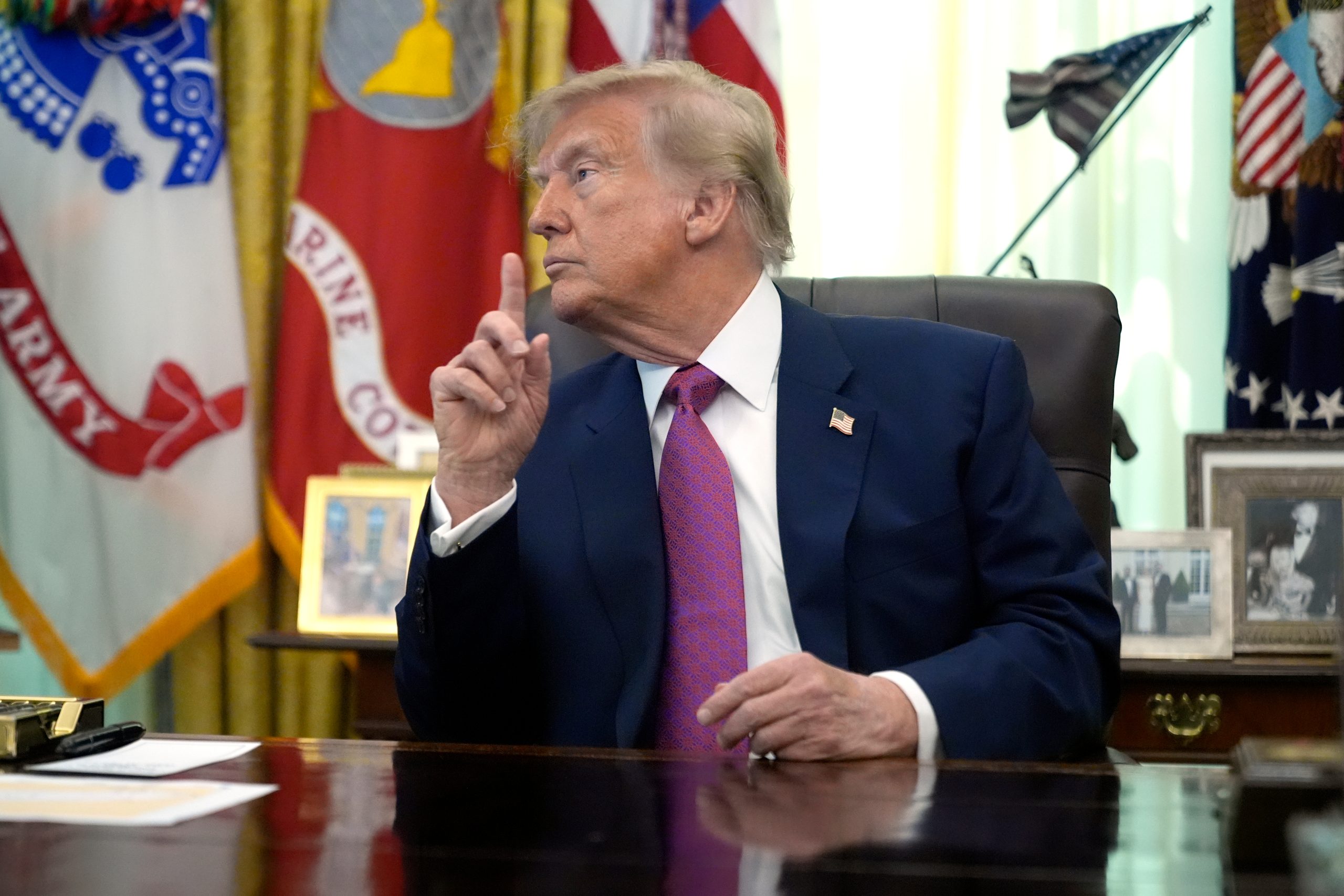
President Donald Trump has said he supports the legislation. He encouraged lawmakers to continue to make progress in a tweet last month.
https://twitter.com/realDonaldTrump/status/1156176532773191686?s=20
The Senate Finance Committee is expected to start reviewing the bill when lawmakers return from their August recess on Sept. 9.