“Eyes to the Skies” is a recurring feature and publishes on the first of every month. You can find it on WTOP’s The Space Place. Email Greg your space questions and he might answer them in the next edition.
Each month WTOP’s “Eyes to the Skies” feature previews the best the sky has to offer stargazers regarding the moon, planets and stars. Space-related events that might interest you taking place in the D.C. region will be included as well.
Let’s get to the skies for September 2026!
Must-see sky sights for September
The autumnal equinox marks the beginning of fall, days ahead of the full harvest moon.
The zodiacal light returns for about two weeks in the east before sunrise.
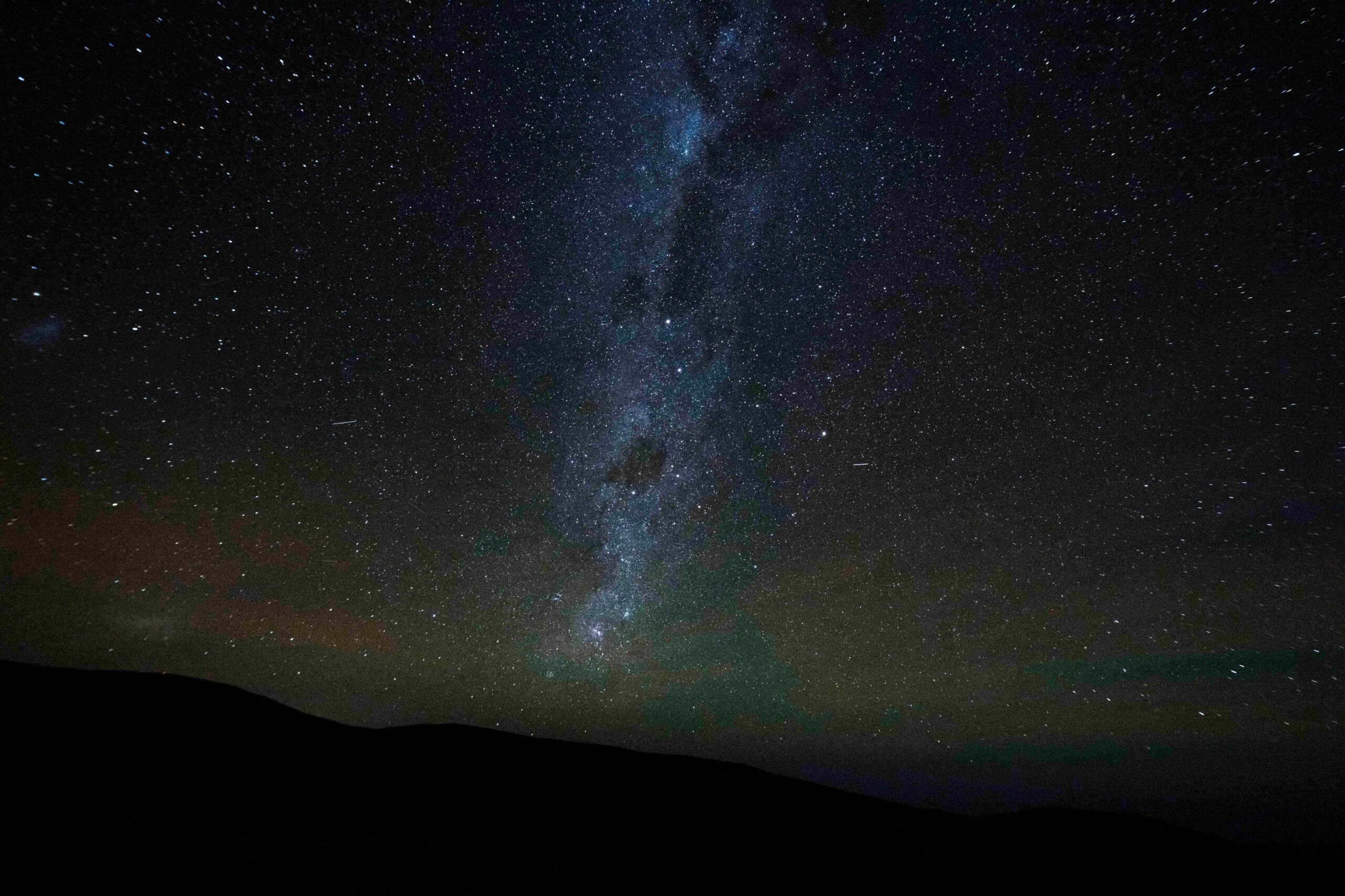
The summer constellations and the Milky Way galaxy are still visible after dark, spanning the sky from the northeast to the southwest. September is still prime for milky way viewing in the Northern Hemisphere as our galaxy is visible in the sky right after dark for a few hours before setting in the west.
Star of the month
Venus is the “evening star” for the month as it dazzles us in the southwest at sunset, obtaining its greatest brilliancy.
Highlights of the month
Sept. 1: Remember our star of the month in October, Algol? It is worth looking at it going to minimum brightness for two hours centered at 12:53 a.m., and then getting brighter. See the other dates this month below. Try taking a picture or maybe even a video.
Sept. 1 and 2: Venus is spectacular in the west after sunset accompanied by the bright star Spica. Their color contrast and closeness make it worthy of taking an astropic with your smartphone using zoom and/or digital camera.
Sept. 4: Algol again at 9:42 p.m.
Sept. 6 and 7: The crescent moon, possibly showing earthshine and reddish Mars, are in the east before dawn with the two bright stars of Gemini, Castor and Pollux. Worthy of taking an astropic with your smartphone using zoom and/or digital camera.
Sept. 8: A crescent moon, possibly showing earthshine, and Jupiter, are close in the east before dawn.
Sept. 8: The crescent moon will occult, or cover, Jupiter during daylight starting at 3 p.m. and the giant planet will reappear at 4 p.m.
Be very careful to avoid looking at the sun which can injure your eyes and damage your equipment if viewed. The sun will be about 30 degrees (about three fist widths held at arms length) to the left of the pair. When searching for the duo, always start with the sun to your left side and facing away from the sun. Search only to your right, never to the left. It may take you several sweeps but always follow the same safe method to avoid the sun. Blocking the sun using a building or dense trees is your best safety and viewing bet.
If you have a planetarium app on your smartphone or tablet it can guide you to the general location in the sky to zero in on the celestial pair.
You will need binoculars, or better yet, a telescope to see the event at its best. The moon and Jupiter will be a bit of a challenge to find in the daytime. If you don’t have binoculars or a telescope, you can try taking an astropic of the general area with your smartphone using zoom and/or digital camera.
Sept. 9: For about two weeks the zodiacal light will be visible in the northern hemisphere in the eastern pre-dawn sky and in the southern hemisphere in the west after sunset. You will need a dark sky site and clear horizon to see this ghostly pyramid shape in the sky. Try taking a smartphone/camera picture.
Sept. 13 and 14: A thin lunar crescent moon possibly showing earthshine accompanies brilliant Venus and the star Spica in the southwest at sunset. Worthy of taking an astropic with your smartphone using zoom and/or digital camera.
Sept. 18: Venus is in the west after sunset and is at its brightest, a whopping -4.8 magnitude. Worthy of taking an astropic with your smartphone using zoom and/or digital camera.
Sept. 21: Algol again at 11:34 p.m.
Sept. 22: Autumnal equinox — the beginning of fall — in the Northern Hemisphere and spring in the Southern Hemisphere at 8:05 p.m.
Sept. 24: Algol again at 11:22 p.m.
Sept. 26: The full harvest moon occurs at 12:49 p.m. Find a clear horizon to the southeast so you can see the moon as it is rising and possibly sporting a beautiful golden color. The moon will look almost full for the next few nights. Worthy of taking an astropic with your smartphone using zoom and/or digital camera.
Sept. 27: Algol again at 8:11 p.m.
The moon
Sept. 4: Last quarter
Sept. 11: New moon
Sept. 18: First quarter
Sept. 26: Full harvest moon
Planets
Mercury is low in the west after sunset.
Venus is gorgeous and bright in the southwest after sunset.
Mars is in the east before dawn.
Jupiter is in the east before dawn.
Saturn is in the sky late evening to dawn.
Uranus is in the western sky after dark. You need a telescope to best observe the planet although it is visible in binoculars.
Neptune is in the western sky after dark. You need a telescope to observe the planet.
Pluto is way out there in the solar system and requires taking images through a telescope spaced days apart to hunt it down.
D.C.-area events
- Join me at Shenandoah National Park for my “Let’s Talk About Space” presentations. Check out this website for other sky events. Rangers also host night sky programs so check it out when you visit the park.
- Virginia State Parks
- NOVAC Online Meeting, George Mason University. Check the calendar for astronomy events.
- National Capital Astronomers
- The Analemma Society has resumed observatory operations. Check the link regarding Friday night public viewing sessions at Turner Farm in Great Falls, Virginia. Check their calendar for other astronomy activities in September.
- The Smithsonian Air and Space Museum in D.C and Chantilly has loads of astronomy stuff in September .
- Check out the new attraction at the Smithsonian Air and Space Museum in D.C.: Smithsonian Starstruck: An Immersive Experience. Read more about it in this WTOP story.
- Carnegie Science is hosting a lecture on Sept. 9 to celebrate Star Trek’s 60th anniversary at the Greenewalt Auditorium in Northwest D.C.
- You can check here and here for astronomy clubs that are outside the D.C. area.
Bonus section!
Smartphone photographers, this is a must have guide for astrophotography using your smartphone.
Use this useful tool to create a custom star chart for your location to help you find your way around the stars. While you are at it, check out the very useful astronomical tools.
And if you want to plan ahead for 2026 sky events here’s a nifty guide to help.
You can also send in any space related questions to my email address. Suggestions about this feature are also welcome.
Get breaking news and daily headlines delivered to your email inbox by signing up here.
© 2026 WTOP. All Rights Reserved. This website is not intended for users located within the European Economic Area.
Follow Greg Redfern on his daily blog to keep up with the latest news in astronomy and space exploration.