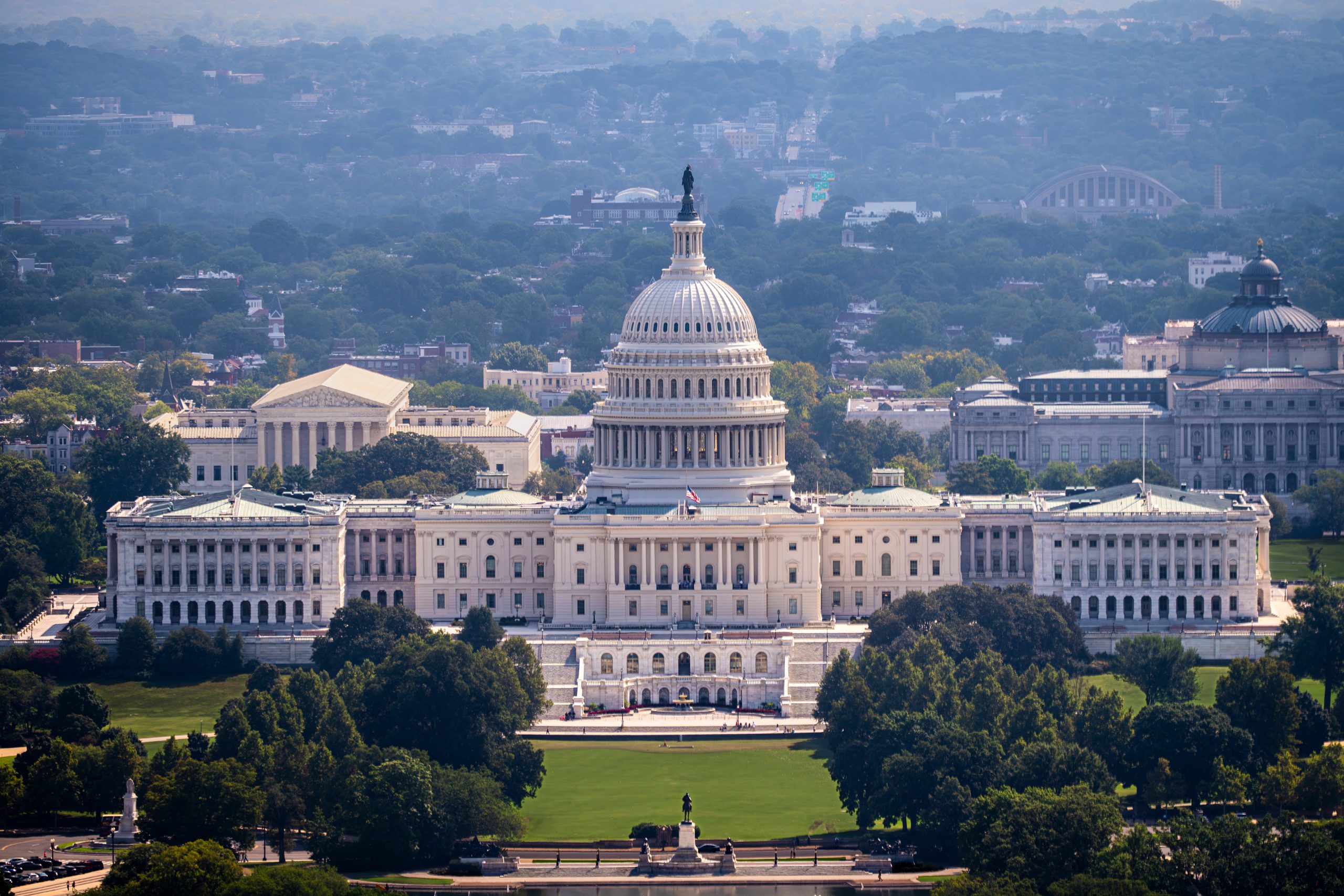
The NATO summit, which has closed roads near the White House and Mount Vernon Square in Downtown D.C., is hurting small businesses that are inside the barricaded security zone. But a local policy analyst says the global summit is expected to give a boost to the regional economy.
There are coffee and sandwich shops, drugstores, clothing stores and a newsstand inside the security area closed to traffic.
“Many of these businesses are aware that they’re going to take a loss due to the summit,” said Shayla Moon, senior vice president of policy for the Greater Washington Board of Trade.
Because of they’re inability to operate during the security lockdown, employees, customers and deliveries have been unable to reach the sites, and some businesses have temporarily closed.
“We’ve noticed that some of the other small businesses that are in the area have chosen the pathway of just closing. One, to avoid confusion with their customers and their clients, but also to mitigate their own transportation and travel issues to their business,” Moon said.
The summit, which draws hundreds of alliance leaders plus their support staff, is expected to provide a lift to the regional economy, though, through increased hotel bookings and more meals served at nearby restaurants.
“We’re seeing and expecting substantial revenue to come from the summit, particularly those in the space of hospitality and tourism and those restaurants along the waterfront area and in Northern Virginia,” she said.
Get breaking news and daily headlines delivered to your email inbox by signing up here.
© 2024 WTOP. All Rights Reserved. This website is not intended for users located within the European Economic Area.