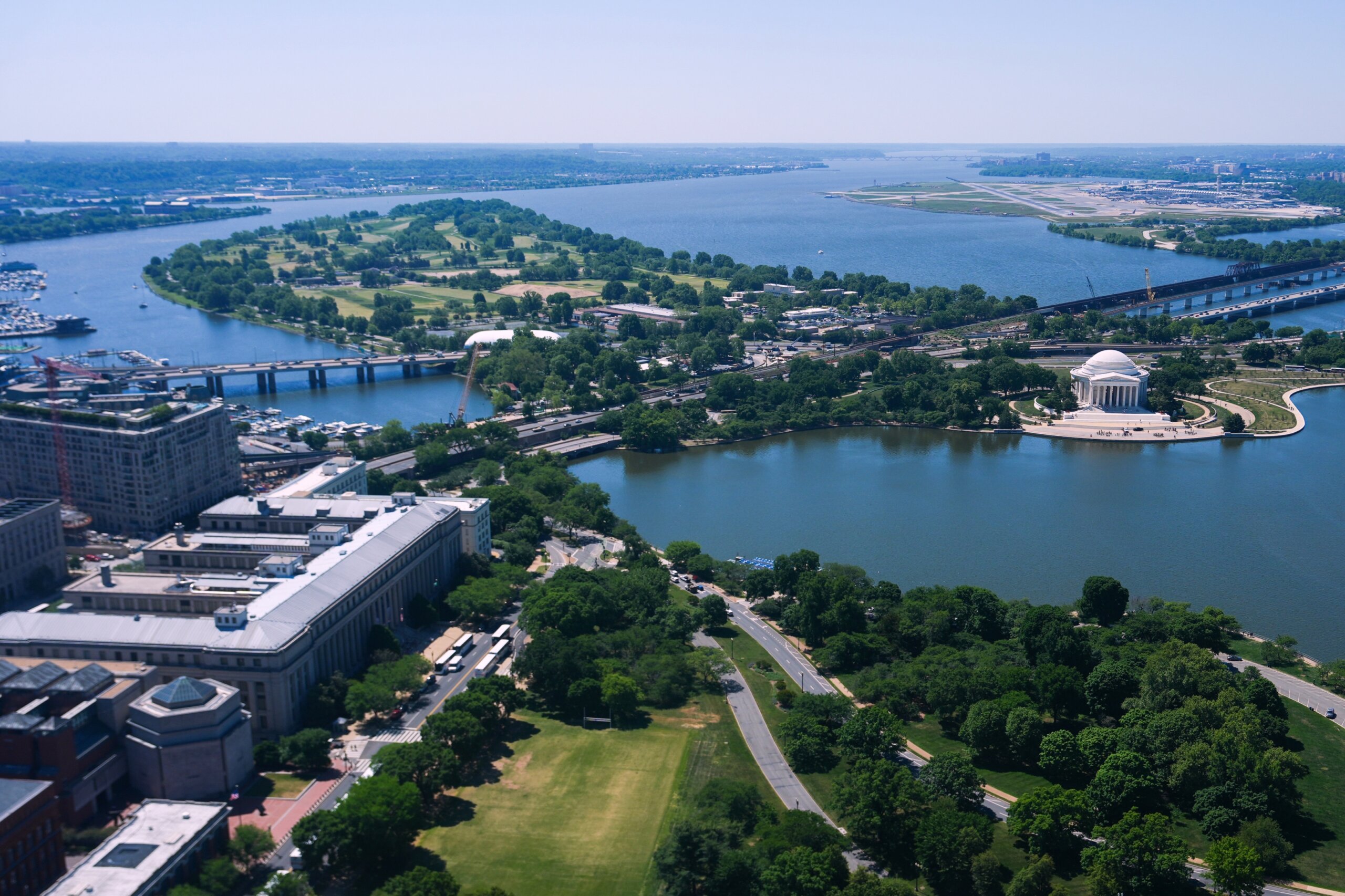
Roads, walkways within Ellipse near White House to close for repaving

A repaving project will close all roads and walkways within the Ellipse, south of the White house, starting Saturday for just under two weeks.

The closure runs through Wednesday, Aug. 21.

Pedestrians and cyclists can use nearby Constitution or Pennsylvania avenues as detours, the National Park Service said Friday.

The south grounds of the White House will still be visible from 16th Street and Constitution Avenue Northwest, the park service said.

Below is a map of the area affected by the repaving project, courtesy of the park service:

A repaving project will affect the Ellipse from Saturday, Aug. 10 to Wednesday, Aug. 21. (Courtesy National Park Service)

One attack, many Americas: Why 9/11 and its many griefs land differently 25 years later

NEW YORK (AP) — When the planes crashed and the buildings fell on that sunny September morning 25 years ago, the shock waves of dismay and grief went far past downtown New York City, rural western Pennsylvania and just outside Washington, D.C. They radiated through every part of the United States in communities large and small, tearing at Americans' sense of safety and their place in the world. Hearts were broken across the nation, not just of those who lost their loved ones but among strangers who mourned for them, the Sept. 11 attacks leaving no one unaffected in an unwanted moment of horrifying togetherness. A quarter of a century later, the effects linger. We all live in a post-9/11 world, with its security strictures and surveillance. But here's the thing: Americans don't all live in the SAME one. What the attacks and their aftermath have come to mean isn't a single viewpoint shared by everyone, for reasons chronological, political and personal. It's a tapestry of meaning and grief as varied as the nation in which 9/11 took place.
Read Next Story