Man killed in stabbing on Frederick Douglass Memorial Bridge

A suspect has been arrested Thursday in connection to a fatal stabbing on the Frederick Douglass Memorial Bridge, also known as the South Capitol Street Bridge, police said.

Lance Ammons, 42, was arrested and charged with first-degree murder while armed.

D.C. police Chief Peter Newsham said during a news conference that it appears the stabbing happened in the pedestrian walkway of the bridge.

The victim was 62-year-old Robert Bolich, who police believe was one of the inspectors working on the bridge. Newsham said it does not appear that the suspect was another employee.

Police arrived on the bridge on a report of an aggravated assault. They found the man with multiple stab wounds, and he was taken to the hospital where he was pronounced dead.

Newsham said they do not yet know what happened between the victim and suspect, or what the motive was.

The outbound lanes of the bridge were closed for several hours as police investigated. All lanes were reopened just before 6 p.m.

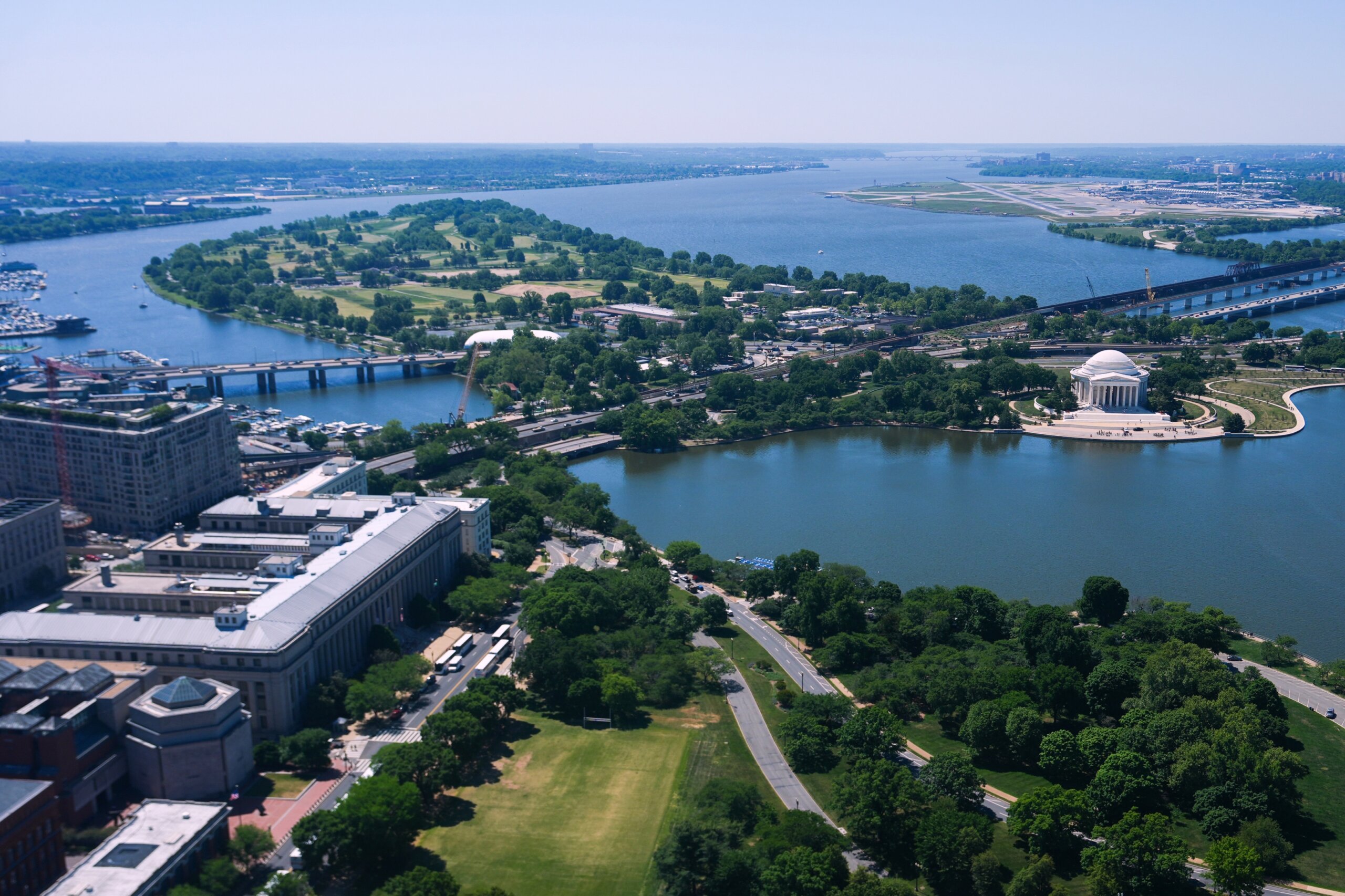
Below is the area where it happened.

[google_map latitude=”38.869000″ longitude=”-77.006270″ zoom=”15″ height=”300px” location_label=”South Capitol Street” dynamic_map=”true”]

One attack, many Americas: Why 9/11 and its many griefs land differently 25 years later

NEW YORK (AP) — When the planes crashed and the buildings fell on that sunny September morning 25 years ago, the shock waves of dismay and grief went far past downtown New York City, rural western Pennsylvania and just outside Washington, D.C. They radiated through every part of the United States in communities large and small, tearing at Americans' sense of safety and their place in the world. Hearts were broken across the nation, not just of those who lost their loved ones but among strangers who mourned for them, the Sept. 11 attacks leaving no one unaffected in an unwanted moment of horrifying togetherness. A quarter of a century later, the effects linger. We all live in a post-9/11 world, with its security strictures and surveillance. But here's the thing: Americans don't all live in the SAME one. What the attacks and their aftermath have come to mean isn't a single viewpoint shared by everyone, for reasons chronological, political and personal. It's a tapestry of meaning and grief as varied as the nation in which 9/11 took place.
Read Next Story