Cherry blossom trees in springtime D.C. are almost as iconic as the city’s monuments. This year’s peak bloom date is predicted to be April 1, and the 2019 Cherry Blossom Festival starts on March 20. Here is everything you should know about the Japanese cherry blossoms in D.C.
When is the 2019 Cherry Blossom Festival?
The National Cherry Blossom Festival runs from March 20 to April 14.
When do the cherry blossoms bloom this year?
The best time to see the cherry blossoms is four to seven days after peak bloom, but that depends on the weather. Peak bloom is defined by the National Park Service as the day when 70 percent of the cherry blossoms surrounding the Tidal Basin are open. The date varies year by year and depends on weather conditions.
Cherry blossoms begin blooming before the peak bloom date. The cherry blossoms are considered in bloom when 20 percent of the blossoms are open until the petals fall.
The National Park Service announced that peak bloom starts April 1.
Where can I see the cherry blossoms in DC?
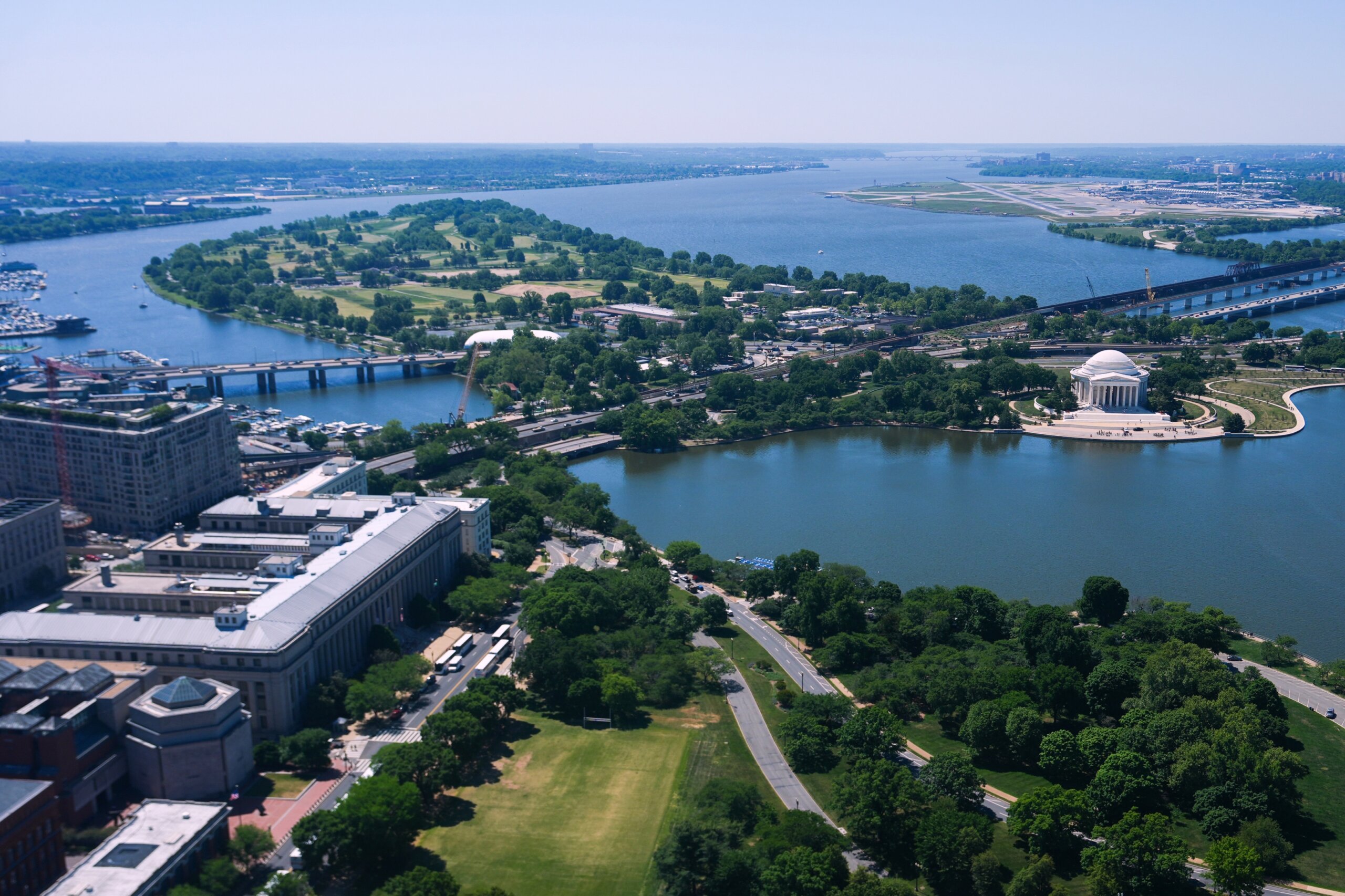
[related_gallery align=”right”]The Tidal Basin is the most popular spot to see the Cherry Blossoms in D.C. But if the Cherry Blossom Festival crowds aren’t appealing, there are some other options to see the flowery sights.
Clusters of cherry blossom trees can be found along the National Mall and around the Washington Monument. Some lesser known cherry blossom viewing destinations include the National Arboretum, Anacostia Park, Dumbarton Oaks in Georgetown, Stanton Park and Oxon Run Park, according to Washington.org.
Cherry Blossom Festival Events
The National Cherry Blossom Festival offers a lot more than the opportunity to photograph the powder-pink petals. A tour to view the blossoms by bike, cherry blossom flower crown classes, and museum exhibits inspired by the trees are just some of the ways you can get the most out of cherry blossom season. See a full list of events here.
The National Park Service offers several free activities, including ranger-led tours, talks, bike rides and an event for pets, as well.
What’s the big deal with the cherry blossoms anyway?
In 1912, the mayor of Tokyo gifted Washington, D.C., with 3,000 cherry trees, or sakura, as a symbol of the friendship between the people of the U.S. and the people of Japan. The festival now lasts four weeks and attracts more than 1.5 million people to the city.
In 2011, about 120 propagates from the original 1912 trees were collected by the National Park Service and gifted to the Japan Cherry Blossom Association to maintain their genetic lineage.
See a full timeline of the cherry blossom trees’ history in D.C. here.